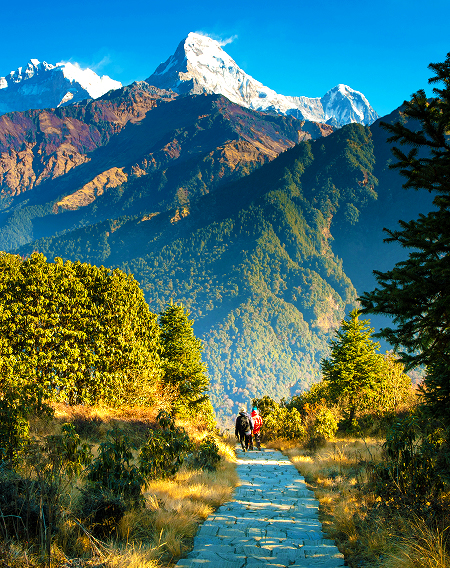
Ghandruk Village Trek Itinerary 2026 — Culture, Views & Easy Himalayan Adventure
Nestled in the Annapurna region, the Ghandruk Village Trek Itinerary 2026 is a perfect introduction for beginners. This beginner Annapurna trek guide covers a 4-day trek to Ghandruk village at 1,940 meters, offering Himalayan views, terraced fields, and Gurung culture.
Ideal for families, first-time trekkers, or travelers short on time, this Annapurna short trek itinerary features moderate distances and easy trails. Highlights include panoramic mountain vistas, village life, and cultural immersion. Each day involves 4–6 hours of trekking, making it manageable yet rewarding.
For those seeking a quick Himalayan adventure without sacrificing scenery or culture, Ghandruk is a standout choice. Discover more through our full Annapurna village trek package 2026 for a complete itinerary.
Why Choose the Ghandruk Village Trek in 2026?
The Ghandruk Gurung village tour offers a rare chance to step into authentic Himalayan culture. Nestled at 1,940 meters, Ghandruk is a living museum of Gurung traditions. Walking through stone-paved lanes, visitors can interact with locals, observe traditional houses, and even join in cultural rituals—a unique experience not found on larger, crowded treks.
For scenery lovers, the Machhapuchhre viewpoint trek delivers jaw-dropping panoramas of Annapurna South and the iconic Machhapuchhre (Fishtail) peak. Sunrise and sunset here are unforgettable, providing perfect photo opportunities for beginners and seasoned trekkers alike.
This trek is perfect for first-time hikers and families. Its short duration—just four days—means you don’t need weeks to experience Nepal’s magic. Trails are moderate, well-marked, and safe, making it ideal for those following a beginner Annapurna trek guide.
For 2026, trail improvements and updated teahouse facilities enhance comfort and accessibility without compromising the charm. From cultural immersion to Himalayan vistas, Ghandruk combines depth and convenience in a way few short treks can. It’s an adventure that’s manageable, memorable, and completely beginner-friendly.
Best Time to Do the Ghandruk Village Trek 2026
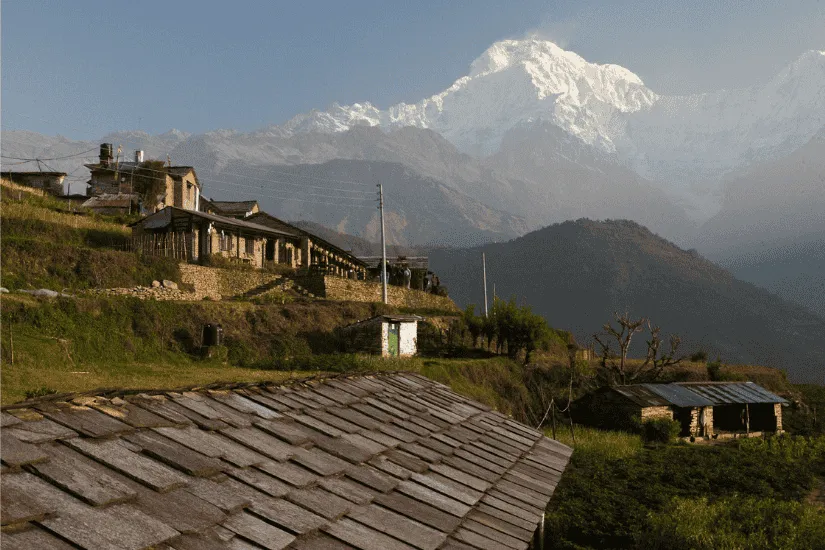
Planning your trek around the right season makes all the difference. According to Nepal Tourism Board, the best time Ghandruk trek 2026 is generally spring and autumn, when skies are clear and trails are at their most inviting. The Machhapuchhre viewpoint trek shines during these months, offering unobstructed views of Annapurna South and Fishtail Peak.
Spring Season (March–May)
Spring brings blooming rhododendrons, lush greenery, and mild temperatures. Trails are comfortable, villages vibrant, and the skies are usually clear, making photography and sightseeing ideal. It’s a favorite for travelers seeking color and culture combined.
Autumn Season (September–November)
Autumn offers stable weather and crisp mountain views. This is considered peak trekking season. Trails are dry, visibility is excellent, and the moderate climate makes the trek enjoyable for beginners and families alike.
Monsoon & Winter
Monsoon (June–August) brings slippery trails, leeches, and rain-heavy days—best avoided by novice trekkers. Winter (December–February) has cold nights and occasional snow, which can limit access to certain paths. Only experienced trekkers or those prepared for harsh weather should attempt the trek during these months.
Quick Comparison Table:
| Season | Weather | Trail Condition | Crowd Level |
|---|---|---|---|
| Spring | Mild, clear | Good, dry | Moderate |
| Autumn | Crisp, stable | Excellent | High |
| Monsoon | Rainy, humid | Slippery, muddy | Low |
| Winter | Cold, snowy | Icy/slippery | Low |
Choosing the right season ensures a safe, scenic, and unforgettable experience on the Ghandruk Village Trek 2026.
Ghandruk Village Trek Route Overview & Map
The Pokhara to Ghandruk trek map guides trekkers through a scenic short loop in the Annapurna region. Starting at Nayapul, the trail climbs to Ghandruk, passes Landruk, and ends at Tolka, blending culture, Himalayan vistas, and moderate trekking distances.
Key highlights of the route include:
- Nayapul (1,070m): Trek starting point, 1–2 hrs drive from Pokhara
- Birethanti: Riverside tea stalls, perfect first rest stop
- Kimche: Mid-point village with terraced fields and mountain views
- Ghandruk (1,940m): Main destination, authentic Gurung village overnight stay
- Landruk (1,545m): Day 3 descent village with scenic trails
- Tolka (1,700m): Final overnight before returning
Daily trekking covers 14–20 km per day with manageable elevation gains. For extended adventure, the Ghorepani Ghandruk trek route can be added, including a visit to Poon Hill for sunrise over the Himalayas.
This Landruk loop trekking Nepal route is perfect for beginners, families, and time-limited travelers, offering rich culture and panoramic mountain views. A visual Pokhara to Ghandruk trek map with trail distances 2026 helps plan each day and key stop efficiently.
4-Day Ghandruk Village Trek Itinerary 2026 (Day-by-Day)
Day 1 — Pokhara to Nayapul to Ghandruk (5–6 Hours)
Kick off your 4 days Nepal trekking package with a scenic drive from Pokhara to Nayapul (1,070m), about 1–2 hours. From there, the trek begins along the Nayapul Ghandruk trail distance, winding past riverside tea stalls at Birethanti and terraced fields through Kimche.
As you ascend to Ghandruk (1,940m), the first stunning views of Annapurna South and Machhapuchhre appear. This moderate trek covers roughly 14–16 km with an elevation gain of 870m. It’s beginner-friendly yet rewarding, setting the tone for your Annapurna short trek itinerary. Overnight stays are in cozy teahouse lodges, perfect for soaking in village life and Himalayan vistas.
Day 2 — Explore Ghandruk Village
Day two is all about cultural immersion and acclimatization. Explore Ghandruk Gurung traditions firsthand: visit the Gurung Museum, learn ex-Gurkha stories, and admire local handicrafts. Wander through rhododendron forests or stroll past traditional homes.
Sunrise at nearby viewpoints delivers panoramic views of the Annapurna range and Machhapuchhre. This day is perfect for photography, relaxation, and getting a feel for village life. For deeper cultural insights, check our [Gurung culture and traditions guide].
Day 3 — Ghandruk to Landruk / Tolka (5–6 Hours)
Descend toward Modi Khola river, then ascend gently through forests toward Landruk (1,545m) and Tolka (1,700m). The trail passes Gurung-Magar mixed villages and offers sweeping views of Hiunchuli Peak.
Daily trekking spans roughly 15 km with moderate difficulty, ideal for beginners and families. Overnight lodging in teahouses provides comfort amid serene Annapurna landscapes, combining culture and nature in one rewarding day.
Day 4 — Tolka/Landruk to Nayapul to Pokhara (4–5 Hours Trek + Drive)
The final day begins with a gentle descent via Kyumi toward Birethanti and Nayapul. From there, a short drive returns you to Pokhara. Along the way, reflect on the trek highlights: Himalayan peaks, Gurung village life, and terraced landscapes.
Once in Pokhara, enjoy lakeside cafes, adventure sports, or a relaxing massage. This wrap-up completes your Annapurna short trek itinerary, leaving memories of a manageable, scenic 4 days Nepal trekking package.
Ghandruk Village Trek Cost Breakdown 2026
Planning your 4 days Nepal trekking package starts with understanding the costs, which vary depending on group size, inclusion of guides or porters, and your chosen operator like Corsa Nepal. Whether you prefer traditional teahouse lodges or authentic village homestays, Ghandruk delivers options for every budget.
Here’s a breakdown of typical expenses:
| Item | Estimated Cost (USD) | Notes |
|---|---|---|
| ACAP Permit + TIMS Card | $42–50 | Official entry fees for Annapurna Conservation Area, includes ACAP permit fees 2026 |
| Guide Fees | $150–250 | Recommended for safety and cultural insight |
| Porter Costs | ~$20/day | Optional, but helpful for luggage |
| Food & Teahouse Lodging | $25–35/day | Comfortable teahouse lodging Annapurna |
| Transport (Pokhara ↔ Nayapul) | $50–100 | Private vehicle or shared jeep |
| Total | $400–500 per person (group of 4+) | Solo travelers may pay $600+ |
For budget-conscious trekkers, a Ghandruk village homestay cost can be slightly lower than teahouses, offering a more authentic experience and meals prepared by locals. To save further, consider trekking independently, traveling off-season, or booking through local operators.
Understanding these costs helps you plan efficiently and ensures your trek is both memorable and affordable. For more options, check our [Budget Nepal trekking packages 2026] for tips and cost-saving strategies without compromising the adventure.
Permits & Trekking Requirements for 2026
Before starting your trek, obtaining the right permits is essential. The ACAP permit fees 2026 allow entry into the Annapurna Conservation Area and support local conservation efforts. For first-time trekkers, this is a must-follow step.
Key permit requirements:
- ACAP (Annapurna Conservation Area Permit): NPR 3,000 (~$25), available in Pokhara or Kathmandu (TAAN office).
- TIMS Card (Trekking Information Management System): NPR 2,000 (~$17); solo trekkers pay full price, groups of 2+ receive discounted rates.
- Documents needed: Passport copies, passport-sized photos, and completed application forms.
- Where to obtain: Pokhara ACAP office or TAAN office in Kathmandu.
2026 regulation updates:
- Some trails may now require a licensed guide for first-time trekkers or those traveling solo in certain areas.
- Carry all permit documents during the trek for checkpoint inspections.
- Fees are mandatory and help maintain trails, lodges, and local facilities.
Following these rules ensures a smooth, hassle-free trekking experience. Planning ahead also allows time for any new regulations or changes in fee structures for 2026.
Guide & Porter Recommendations for Ghandruk Trek
Hiring a trek guide is highly recommended for safety, navigation, and cultural insight. On a Ghandruk Gurung village tour, a local guide can share stories about Gurung traditions, point out hidden viewpoints, and ensure you stay on the correct trail, making your trek both safe and enriching.
Finding vetted guides:
- TAAN (Trekking Agencies’ Association of Nepal) – official licensed guides
- Corsa Nepal – trusted operators with positive reviews
Cost considerations:
- Guide fees typically run $25/day.
- Hiring a guide with a porter is a convenient option; porters carry 15–20 kg of luggage, following ethical trekking standards.
Porter guidelines:
- Keep loads manageable to avoid injury.
- Use local operators who respect fair wages and working conditions.
Solo trekking tips:
- Experienced hikers can trek independently, but carrying a map, GPS, and permits is essential.
- Hiring a guide is strongly recommended for first-timers or those unfamiliar with Annapurna trails.
For detailed steps, see our guide on [How to hire a trekking guide in Nepal 2026] to ensure a safe, memorable adventure.
What to Pack for the Ghandruk Village Trek
Packing smart makes your short Nepal trek comfortable and enjoyable. For the teahouse lodging Annapurna style of trekking, light luggage is ideal, as laundry is often available along the route.
Clothing
- Layers: Base layers, fleece or down jackets, and moisture-wicking shirts for warmth.
- Rain gear: Waterproof jacket and pants for sudden showers.
- Footwear: Sturdy trekking boots with good grip, plus warm socks.
- Extras: Hat, gloves, and sunglasses for sun and wind protection.
Gear Essentials
- Trekking poles for stability on uneven trails.
- Headlamp for early mornings or evenings.
- Water purification tablets or filters to ensure safe drinking water.
- Backpack: 25–35L for day essentials.
Documents
- Permits: ACAP and TIMS cards.
- Passport copies and ID.
- Travel insurance information.
Health & Safety
- Altitude awareness: Acclimatize properly to avoid sickness.
- First aid basics: Bandages, painkillers, and personal medications.
- Hygiene: Hand sanitizer and wet wipes.
Ghandruk Village Trek Itinerary 2026 Highlights — Culture, Views & Experiences
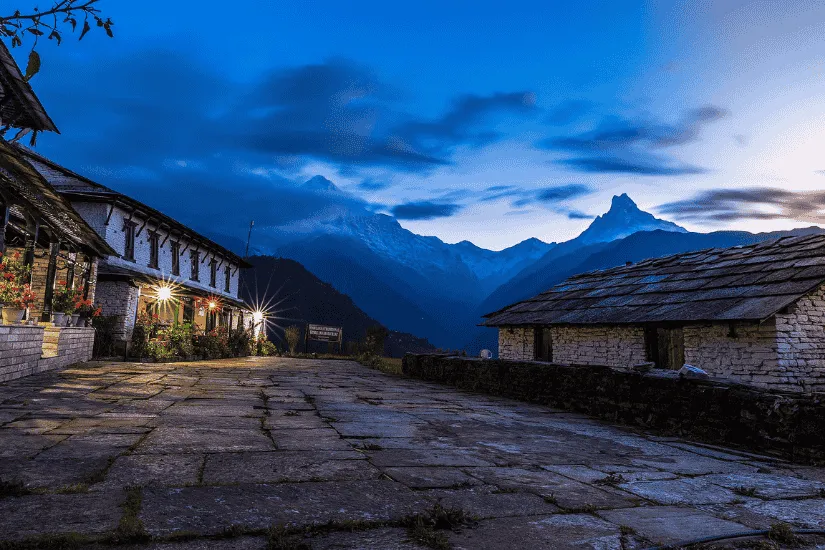
A Ghandruk Gurung village tour is more than a trek—it’s a journey into the heart of Annapurna’s culture and scenery. The village itself is a living museum, with traditional stone-paved lanes, terraced fields, and homes built in classic Gurung architecture. Walking through Ghandruk feels like stepping back in time, where every corner tells a story.
The Gurung Museum Ghandruk visit is a must for anyone interested in local history. Here, you can learn about Gurung traditions, view artifacts, and hear tales of ex-Gurkha soldiers who served around the world. Interacting with local families adds a personal touch, giving trekkers insight into daily life in this Himalayan community.
Nature lovers will enjoy rhododendron forest trails, birdwatching opportunities, and peaceful strolls through the surrounding hills. Early risers are rewarded with sunrise views on the Machhapuchhre viewpoint trek, where the Fishtail Mountain and Annapurna South dominate the skyline—a perfect spot for photography and quiet reflection.
The village also offers small handicraft shops and local eateries. Sample traditional Nepali dishes and buy handmade souvenirs to support the community. Whether it’s culture, nature, or Himalayan vistas you seek, Ghandruk delivers a compact but unforgettable experience.
Ghandruk Village Trek Difficulty — Is It Right for You?
The Ghandruk Village Trek is considered easy to moderate, making it ideal for first-time hikers following a beginner Annapurna trek guide. The highest point, Ghandruk village at 1,940 meters, poses minimal altitude sickness risk, allowing most travelers to enjoy the trek comfortably.
Fitness requirements are modest: regular walking, light cardio, and stair climbing are usually sufficient. For best results, a few weeks of preparatory hikes or cardio training can make the journey smoother. The trek is family-friendly, suitable for kids, seniors, and anyone wanting a manageable introduction to the Himalayas.
Compared to other Annapurna short trek itineraries, such as Poon Hill or Mardi Himal, Ghandruk is shorter in duration and less steep. Daily distances range from 4–6 hours, allowing time to appreciate panoramic views and cultural stops without exhaustion.
Overall, if you’re looking for a scenic, cultural, and low-risk Himalayan trek, Ghandruk offers the perfect balance of adventure and accessibility. However, if you’re seeking a more challenging experience, the EBC trek is worth considering.
Final Thoughts on the Ghandruk Village Trek Itinerary 2026
The Ghandruk Village Trek Itinerary 2026 stands out as one of Nepal’s best Annapurna short trek itineraries, blending cultural immersion, Himalayan panoramas, and manageable trekking for beginners and families. From terraced fields to Gurung village life, every step offers a memorable experience.
With peak seasons filling quickly, planning early is essential to secure your spot and make the most of your adventure. Don’t wait Book your Ghandruk Village Trek package 2026 today and ensure a smooth, unforgettable journey.
For extra convenience, download a free trek map or contact us for a custom itinerary tailored to your schedule and preferences. Your Himalayan adventure awaits!