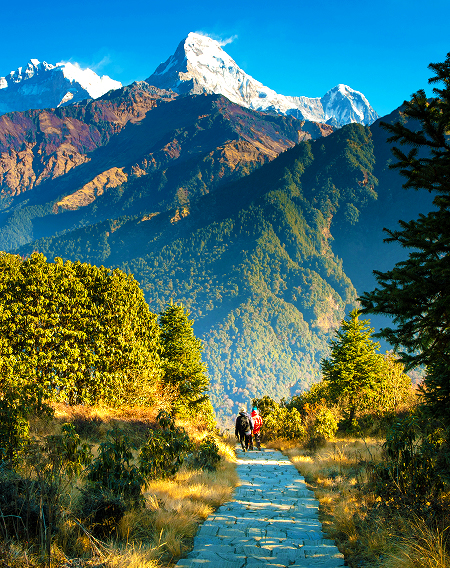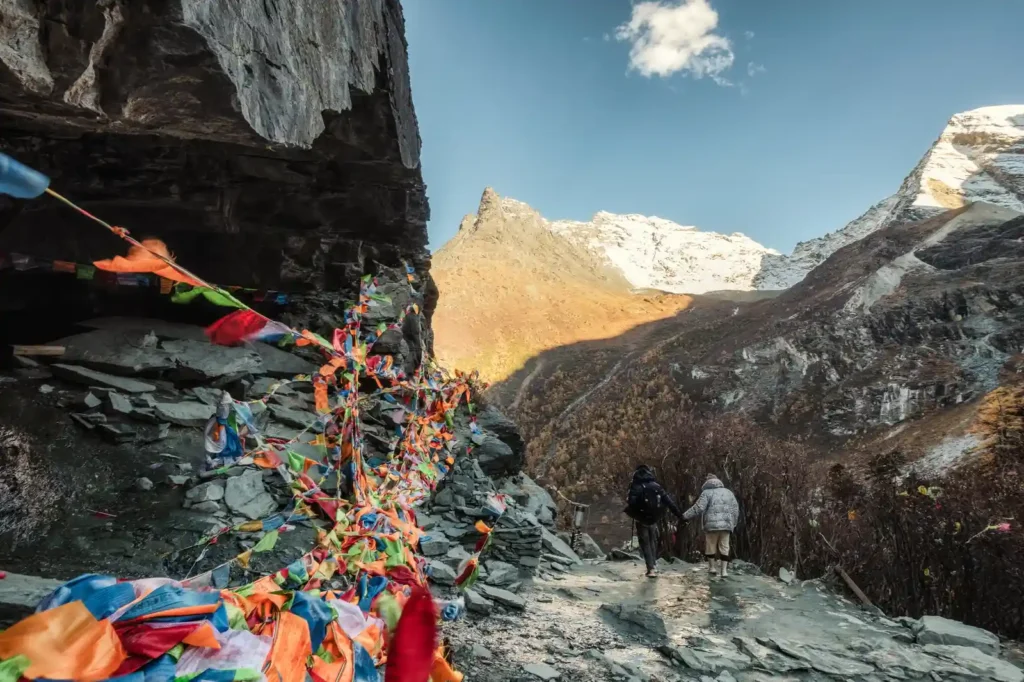
The tough routes of Nepal have drawn travelers for years. If you’ve ever dreamed of standing on the summit of Mount Everest, walking through Rhododendron forests in the Annapurna region, exploring Langtang’s remote valleys, or traversing high passes like Manaslu and Manaslu, trekking in Nepal provides an experience that changes the way you look at the world.
The Corsa Nepal offer stunning natural beauty, awe-inspiring civilizations, and a personal challenge. But enjoyment and success depend on deciding the best time to visit. Also, they need to be aware of the weather, permits, and the right preparation. This complete guide draws on years of trekking and leading in Nepal. It helps trekkers from all over the world plan their ideal Himalayan adventure.
Best Seasons for Trekking in Nepal
Nepal has four distinct seasons, each influencing the landscape of trekking in unique ways. The two seasons with the highest volume of activity, autumn and spring, draw the most attention from visitors, and for well-founded reasons. However, the off-season and shoulder seasons also offer a great opportunity for those who can adapt.
Spring Season (March – May)
The spring season is one of the most beautiful times to trek in the mountain ranges. As winter fades, temperatures rise, and the days become longer and warmer. Lower elevations explode into vivid colors with blooming rhododendrons : Nepal’s national flower creating a sea of reds, whites, and pinks, particularly striking on Annapurna trails.
- Mountain Visibility: Generally excellent until the end of May, when pre-monsoon clouds may appear.
- Temperatures: Mid-elevations (2,000–3,500m) range from 10 to 20°C during the day, while nights may still drop below freezing at higher camps.
- Crowds: Peak at the end of April and May; trails are lively with birds and fellow trekkers.
This season is ideal for nature lovers and photographers looking for floral landscapes and slightly cooler temperatures.
Monsoon and Summer Months (June – August)
Monsoon season brings heavy rain across most of Nepal, making trails muddy and increasing the risk of landslides. Mountain views are often obscured by clouds, and leeches can be a problem on lower paths.
- Exceptions: Rain-shadowed areas like Upper Mustang and parts of Dolpo remain dry and comfortable, offering a rare chance to trek with fewer people.
- Advice: Only experienced trekkers should attempt mainstream routes during the monsoon peak.
While not generally a “no-go” period, careful planning is essential.
Autumn Season (September – November)
Autumn is the peak trekking season and for good reason. The monsoon rains purify the air, providing some of the clearest Himalayan views of the year. Trails dry quickly, and temperatures are comfortable.
- Temperatures: Daytime 15–25°C at lower altitudes; cooler at higher altitudes.
- Visibility: Crystal-clear, especially in October, making it ideal for iconic routes like Everest Base Camp and Annapurna.
- Cultural Experiences: Festivals like Dashain and Tihar enrich the village stops.
Autumn is considered the most pleasant season due to dry trails, stable weather, and clear skies.
Winter Season (December – February)
Winter offers peace and beauty for tough adventurers. Clear skies are common, but temperatures drop significantly above 3,000m, and higher peaks often experience frequent snowfall.
- Lower Elevation Treks: Areas like Ghorepani-Poon Hill or portions of Langtang remain viable and peaceful.
- Daylight Limitations: Shorter travel days and some high passes are closed due to snow.
This season is perfect for trekkers seeking a contemplative experience with frost-covered landscapes.
Choosing the Best Season
- Autumn: Clear skies, stable weather, and peace.
- Spring: Blooming landscapes and warm days.
- Monsoon: Access to rain-shadow regions if you want fewer crowds.
Your decision should depend on what you value most: scenic clarity, flowers, solitude, or adventure in less-traveled areas.
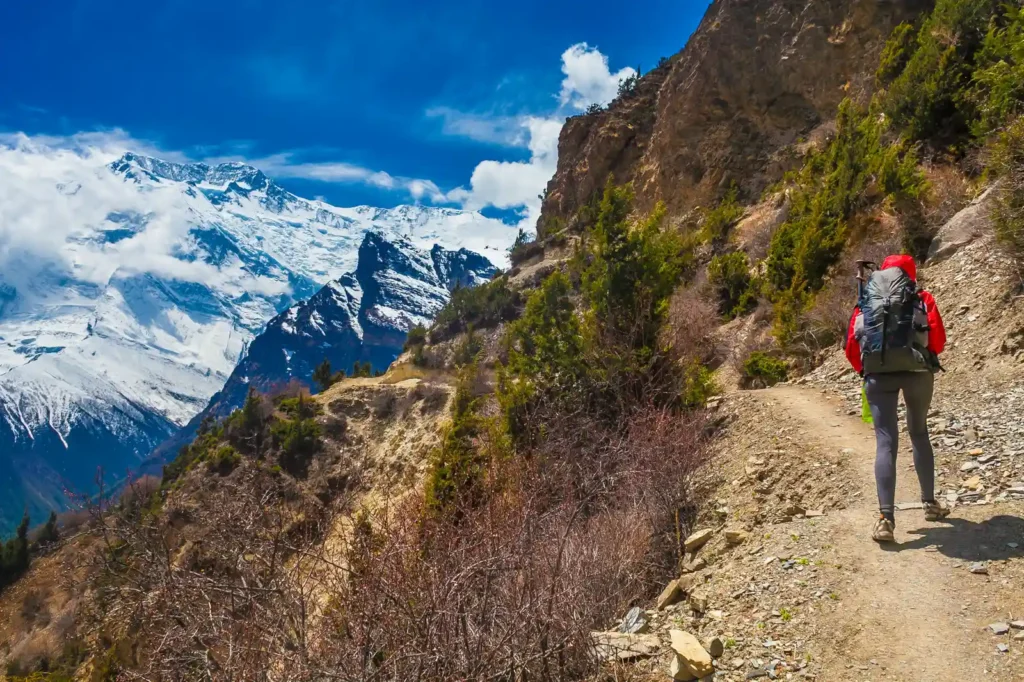
Monthly Weather Breakdown
The weather in the Himalayas alters dramatically as you ascend. A bright day in Kathmandu could mean freezing temperatures and snow at the top of a pass. We’re here to help you grow stronger mentally and emotionally. It is a useful month-by-month summary of the most popular trekking routes.
Monthly Weather Table for Key Trekking Areas (Approximate Averages)
| Month | Kathmandu (1,400m) | Pokhara (800m) | Lukla/Namche (2,800-3,400m) | Everest Base Camp (~5,364m) | Precipitation Risk | Trekking Suitability |
|---|---|---|---|---|---|---|
| January | 10-20°C | 12-22°C | -5 to 8°C | -15 to -5°C | Very Low | Good for low/mid |
| February | 12-22°C | 13-24°C | -3 to 10°C | -12 to 0°C | Low | Improving |
| March | 15-25°C | 16-26°C | 0 to 12°C | -10 to 5°C | Low-Moderate | Excellent (Spring start) |
| April | 18-28°C | 19-28°C | 5 to 15°C | -5 to 10°C | Moderate | Peak Spring |
| May | 20-30°C | 21-30°C | 8 to 18°C | 0 to 12°C | Moderate-High | Good early, hazy late |
| June-August | 22-32°C | 24-32°C | 10 to 20°C | 5 to 15°C | High (Monsoon) | Limited |
| September | 20-28°C | 22-30°C | 8 to 16°C | 0 to 10°C | Moderate rate falling | Good (Post-monsoon) |
| October | 15-25°C | 18-27°C | 2 to 12°C | -5 to 8°C | Very Low | Outstanding |
| November | 10-22°C | 14-25°C | -2 to 8°C | -10 to 5°C | Very Low | Excellent |
| December | 8-18°C | 10-20°C | -5 to 5°C | -15 to -5°C | Low | Excellent for those wanting lower costs |
Notice: Temperatures drop dramatically in the evening (often 10-15 degrees cooler). The high passes can experience unexpected snow at any time during the high season. Always check current forecasts closer to departure.
Nepal Trekking Permits Explained
All trekkers must obtain proper documentation. These permits allow for trail maintenance, conservation efforts, and security tracking.
Key Permit Types (2026):
- TIMS Card (Trekkers’ Information Management System): Helps authorities track trekkers for safety. It costs around USD 10-20 based on the status of the group or individual. Many agencies include this as part of their package.
- National Park/Conservation Area entry permits are required for most well-known regions.
- Sagarmatha National Park (Everest): ~USD 25-30
- Annapurna Conservation Area (ACAP): ~USD 25-30
- Langtang, Manaslu Conservation Area, etc. Similar costs
- Restricted Zone Permits (RAP) for areas with border security concerns (Manaslu, Upper Mustang, Tsum Valley, etc.). They require a trekking permit from a recognized agency, a certified guide, and, usually, a minimum number of people. Prices vary widely.
| Permit Type | Cost (USD) | Required For | Obtained Through |
|---|---|---|---|
| TIMS Card | 10–20 | Most common treks | NTB offices or trekking agencies |
| Annapurna Conservation (ACAP) | 25–30 | Annapurna Circuit, ABC, etc. | Entrance points or Kathmandu |
| Sagarmatha National Park | 25–30 | Everest region | Points of entry or Kathmandu |
| Manaslu Restricted + MCAP | 75–100 (first week) + daily thereafter | Manaslu Circuit | Agency solely |
| Upper Mustang | 50 per day (or 500 for 10 days) | Upper Mustang | Agency solely |
| Other Restricted Areas | 50–500+ | Dolpo, Nar-Phu, etc. | Agency solely |
Essential Packing Guide by Season
The Autumn and Spring seasons (Peak Seasons): Layering is crucial. Make sure you have a great down jacket and waterproof shell, durable trekking poles, boots, sunglasses, and sunscreen. You should also have a four-season sleeping bag for high camps. Base layers that dry quickly are highly suggested.
Winter: Put on heavy thermal layers and a warm sleeping bag, gloves, a balaclava, and gaiters for snow. The need for windproof clothing is paramount.
Monsoon: Get quick-drying, rain covers for your backpack, and leech socks. waterproof boots. Expect high humidity and mud.
Essential items for every season include a reusable water bottle, purifying tablets, a headlamp, a first-aid kit, and high-energy food items.
Practical Tips for a Safe and Enjoyable Trek
The biggest health risk is above 3,000m. Gradually climb – no more than 300-500m of sleeping elevation each day. Always remember to include acclimatization and rest days, especially before climbing high passes. Drink 3 to 5 liters of fluid every day, consume ample amounts of carbohydrates, and try to stay away from alcohol. Pay attention to the signals your body is sending. The common occurrence of mild headaches, however, does not mean severe headaches need immediate treatment.
Spring and autumn are popular departure seasons: Book your reservations 6 to 9 months in advance to secure your preferred dates, as these are often the most favorable. Shoulder seasons tend to be more flexible and usually offer better prices. It is strongly recommended to hike with a certified guide, especially in less-frequented or crowded areas. Additionally, a comprehensive travel insurance policy that covers high-altitude activities and evacuation is essential.
Conclusion: Your Himalayan Journey Awaits
Selecting the best time of year, understanding how weather conditions change, and obtaining the appropriate permits form the basis of a secure and enjoyable trek in Nepal. The seasons of spring and autumn consistently deliver the typical Himalayan adventure that many travelers seek, while others offer unpretentious, peaceful experiences.
These mountains are sure to test your endurance to the limit, challenge you, and then provide you with stunning views as well as friendships and memories lasting for a lifetime. We at Barefoot Adventures specialize in creating customized, responsible treks led by expert local guides who can turn complicated logistics into an easy-to-follow experience.
Are you ready to take that first step? Check out our 2026 trek packages to Everest, Annapurna, Manaslu, and more, or get in touch with us to discuss an individual itinerary based on your preferences and dates.
Namaste, may your paths be smooth and your soul shine.