Dreaming of Nepal? Let's make your journey unforgettable!

BOOK NOW

Ghandruk Village Trek Itinerary 2026

Ghandruk Village Trek Itinerary 2026 — Culture, Views & Easy Himalayan Adventure

Nestled in the Annapurna region, the Ghandruk Village Trek Itinerary 2026 is a perfect introduction for beginners. This beginner Annapurna trek guide covers a 4-day trek to Ghandruk village at 1,940 meters, offering Himalayan views, terraced fields, and Gurung culture.

Ideal for families, first-time trekkers, or travelers short on time, this Annapurna short trek itinerary features moderate distances and easy trails. Highlights include panoramic mountain vistas, village life, and cultural immersion. Each day involves 4–6 hours of trekking, making it manageable yet rewarding.

For those seeking a quick Himalayan adventure without sacrificing scenery or culture, Ghandruk is a standout choice. Discover more through our full Annapurna village trek package 2026 for a complete itinerary.

Why Choose the Ghandruk Village Trek in 2026?

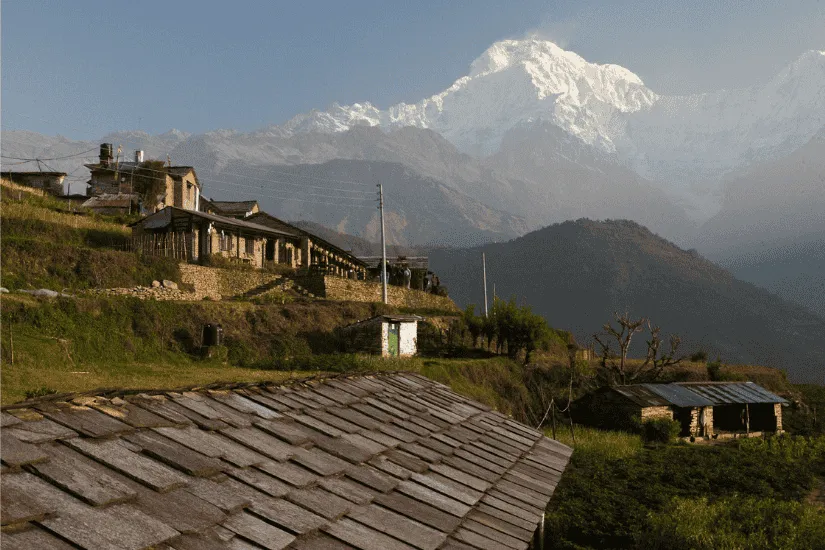
The Ghandruk Gurung village tour offers a rare chance to step into authentic Himalayan culture. Nestled at 1,940 meters, Ghandruk is a living museum of Gurung traditions. Walking through stone-paved lanes, visitors can interact with locals, observe traditional houses, and even join in cultural rituals—a unique experience not found on larger, crowded treks.

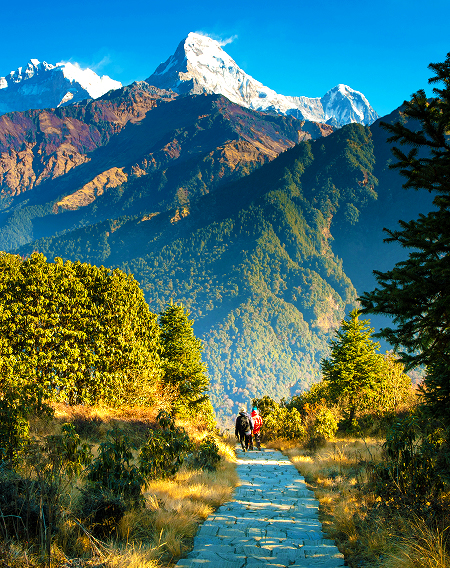
For scenery lovers, the Machhapuchhre viewpoint trek delivers jaw-dropping panoramas of Annapurna South and the iconic Machhapuchhre (Fishtail) peak. Sunrise and sunset here are unforgettable, providing perfect photo opportunities for beginners and seasoned trekkers alike.

This trek is perfect for first-time hikers and families. Its short duration—just four days—means you don’t need weeks to experience Nepal’s magic. Trails are moderate, well-marked, and safe, making it ideal for those following a beginner Annapurna trek guide.

For 2026, trail improvements and updated teahouse facilities enhance comfort and accessibility without compromising the charm. From cultural immersion to Himalayan vistas, Ghandruk combines depth and convenience in a way few short treks can. It’s an adventure that’s manageable, memorable, and completely beginner-friendly.
Ghandruk-Village-Trek-Itinerary-2026

Best Time to Do the Ghandruk Village Trek 2026

Planning your trek around the right season makes all the difference. According to Nepal Tourism Board, the best time Ghandruk trek 2026 is generally spring and autumn, when skies are clear and trails are at their most inviting. The Machhapuchhre viewpoint trek shines during these months, offering unobstructed views of Annapurna South and Fishtail Peak.

Spring Season (March–May)

Spring brings blooming rhododendrons, lush greenery, and mild temperatures. Trails are comfortable, villages vibrant, and the skies are usually clear, making photography and sightseeing ideal. It’s a favorite for travelers seeking color and culture combined.

Autumn Season (September–November)

Autumn offers stable weather and crisp mountain views. This is considered peak trekking season. Trails are dry, visibility is excellent, and the moderate climate makes the trek enjoyable for beginners and families alike.

Monsoon & Winter

Monsoon (June–August) brings slippery trails, leeches, and rain-heavy days—best avoided by novice trekkers. Winter (December–February) has cold nights and occasional snow, which can limit access to certain paths. Only experienced trekkers or those prepared for harsh weather should attempt the trek during these months.

Quick Comparison Table:

SeasonWeatherTrail ConditionCrowd Level
SpringMild, clearGood, dryModerate
AutumnCrisp, stableExcellentHigh
MonsoonRainy, humidSlippery, muddyLow
WinterCold, snowyIcy/slipperyLow

Choosing the right season ensures a safe, scenic, and unforgettable experience on the Ghandruk Village Trek 2026.

Ghandruk Village Trek Route Overview & Map

The Pokhara to Ghandruk trek map guides trekkers through a scenic short loop in the Annapurna region. Starting at Nayapul, the trail climbs to Ghandruk, passes Landruk, and ends at Tolka, blending culture, Himalayan vistas, and moderate trekking distances.

Key highlights of the route include:

  • Nayapul (1,070m): Trek starting point, 1–2 hrs drive from Pokhara
  • Birethanti: Riverside tea stalls, perfect first rest stop
  • Kimche: Mid-point village with terraced fields and mountain views
  • Ghandruk (1,940m): Main destination, authentic Gurung village overnight stay
  • Landruk (1,545m): Day 3 descent village with scenic trails
  • Tolka (1,700m): Final overnight before returning

Daily trekking covers 14–20 km per day with manageable elevation gains. For extended adventure, the Ghorepani Ghandruk trek route can be added, including a visit to Poon Hill for sunrise over the Himalayas.

This Landruk loop trekking Nepal route is perfect for beginners, families, and time-limited travelers, offering rich culture and panoramic mountain views. A visual Pokhara to Ghandruk trek map with trail distances 2026 helps plan each day and key stop efficiently.

4-Day Ghandruk Village Trek Itinerary 2026 (Day-by-Day)

Day 1 — Pokhara to Nayapul to Ghandruk (5–6 Hours)

Kick off your 4 days Nepal trekking package with a scenic drive from Pokhara to Nayapul (1,070m), about 1–2 hours. From there, the trek begins along the Nayapul Ghandruk trail distance, winding past riverside tea stalls at Birethanti and terraced fields through Kimche.

As you ascend to Ghandruk (1,940m), the first stunning views of Annapurna South and Machhapuchhre appear. This moderate trek covers roughly 14–16 km with an elevation gain of 870m. It’s beginner-friendly yet rewarding, setting the tone for your Annapurna short trek itinerary. Overnight stays are in cozy teahouse lodges, perfect for soaking in village life and Himalayan vistas.

Day 2 — Explore Ghandruk Village

Day two is all about cultural immersion and acclimatization. Explore Ghandruk Gurung traditions firsthand: visit the Gurung Museum, learn ex-Gurkha stories, and admire local handicrafts. Wander through rhododendron forests or stroll past traditional homes.

Sunrise at nearby viewpoints delivers panoramic views of the Annapurna range and Machhapuchhre. This day is perfect for photography, relaxation, and getting a feel for village life. For deeper cultural insights, check our [Gurung culture and traditions guide].

Day 3 — Ghandruk to Landruk / Tolka (5–6 Hours)

Descend toward Modi Khola river, then ascend gently through forests toward Landruk (1,545m) and Tolka (1,700m). The trail passes Gurung-Magar mixed villages and offers sweeping views of Hiunchuli Peak.

Daily trekking spans roughly 15 km with moderate difficulty, ideal for beginners and families. Overnight lodging in teahouses provides comfort amid serene Annapurna landscapes, combining culture and nature in one rewarding day.

Day 4 — Tolka/Landruk to Nayapul to Pokhara (4–5 Hours Trek + Drive)

The final day begins with a gentle descent via Kyumi toward Birethanti and Nayapul. From there, a short drive returns you to Pokhara. Along the way, reflect on the trek highlights: Himalayan peaks, Gurung village life, and terraced landscapes.

Once in Pokhara, enjoy lakeside cafes, adventure sports, or a relaxing massage. This wrap-up completes your Annapurna short trek itinerary, leaving memories of a manageable, scenic 4 days Nepal trekking package.

Ghandruk Village Trek Cost Breakdown 2026

Planning your 4 days Nepal trekking package starts with understanding the costs, which vary depending on group size, inclusion of guides or porters, and your chosen operator like Corsa Nepal. Whether you prefer traditional teahouse lodges or authentic village homestays, Ghandruk delivers options for every budget.

Here’s a breakdown of typical expenses:

ItemEstimated Cost (USD)Notes
ACAP Permit + TIMS Card$42–50Official entry fees for Annapurna Conservation Area, includes ACAP permit fees 2026
Guide Fees$150–250Recommended for safety and cultural insight
Porter Costs~$20/dayOptional, but helpful for luggage
Food & Teahouse Lodging$25–35/dayComfortable teahouse lodging Annapurna
Transport (Pokhara ↔ Nayapul)$50–100Private vehicle or shared jeep
Total$400–500 per person (group of 4+)Solo travelers may pay $600+

For budget-conscious trekkers, a Ghandruk village homestay cost can be slightly lower than teahouses, offering a more authentic experience and meals prepared by locals. To save further, consider trekking independently, traveling off-season, or booking through local operators.

Understanding these costs helps you plan efficiently and ensures your trek is both memorable and affordable. For more options, check our [Budget Nepal trekking packages 2026] for tips and cost-saving strategies without compromising the adventure.

Permits & Trekking Requirements for 2026

Before starting your trek, obtaining the right permits is essential. The ACAP permit fees 2026 allow entry into the Annapurna Conservation Area and support local conservation efforts. For first-time trekkers, this is a must-follow step.

Key permit requirements:

  • ACAP (Annapurna Conservation Area Permit): NPR 3,000 (~$25), available in Pokhara or Kathmandu (TAAN office).
  • TIMS Card (Trekking Information Management System): NPR 2,000 (~$17); solo trekkers pay full price, groups of 2+ receive discounted rates.
  • Documents needed: Passport copies, passport-sized photos, and completed application forms.
  • Where to obtain: Pokhara ACAP office or TAAN office in Kathmandu.

2026 regulation updates:

  • Some trails may now require a licensed guide for first-time trekkers or those traveling solo in certain areas.
  • Carry all permit documents during the trek for checkpoint inspections.
  • Fees are mandatory and help maintain trails, lodges, and local facilities.

Following these rules ensures a smooth, hassle-free trekking experience. Planning ahead also allows time for any new regulations or changes in fee structures for 2026.

Guide & Porter Recommendations for Ghandruk Trek

Hiring a trek guide is highly recommended for safety, navigation, and cultural insight. On a Ghandruk Gurung village tour, a local guide can share stories about Gurung traditions, point out hidden viewpoints, and ensure you stay on the correct trail, making your trek both safe and enriching.

Finding vetted guides:

  • TAAN (Trekking Agencies’ Association of Nepal) – official licensed guides
  • Corsa Nepaltrusted operators with positive reviews

Cost considerations:

  • Guide fees typically run $25/day.
  • Hiring a guide with a porter is a convenient option; porters carry 15–20 kg of luggage, following ethical trekking standards.

Porter guidelines:

  • Keep loads manageable to avoid injury.
  • Use local operators who respect fair wages and working conditions.

Solo trekking tips:

  • Experienced hikers can trek independently, but carrying a map, GPS, and permits is essential.
  • Hiring a guide is strongly recommended for first-timers or those unfamiliar with Annapurna trails.

For detailed steps, see our guide on [How to hire a trekking guide in Nepal 2026] to ensure a safe, memorable adventure.

What to Pack for the Ghandruk Village Trek

Packing smart makes your short Nepal trek comfortable and enjoyable. For the teahouse lodging Annapurna style of trekking, light luggage is ideal, as laundry is often available along the route.

Clothing

  • Layers: Base layers, fleece or down jackets, and moisture-wicking shirts for warmth.
  • Rain gear: Waterproof jacket and pants for sudden showers.
  • Footwear: Sturdy trekking boots with good grip, plus warm socks.
  • Extras: Hat, gloves, and sunglasses for sun and wind protection.

Gear Essentials

  • Trekking poles for stability on uneven trails.
  • Headlamp for early mornings or evenings.
  • Water purification tablets or filters to ensure safe drinking water.
  • Backpack: 25–35L for day essentials.

Documents

  • Permits: ACAP and TIMS cards.
  • Passport copies and ID.
  • Travel insurance information.

Health & Safety

  • Altitude awareness: Acclimatize properly to avoid sickness.
  • First aid basics: Bandages, painkillers, and personal medications.
  • Hygiene: Hand sanitizer and wet wipes.
Ghandruk-Village-Trek-Itinerary-2026

Ghandruk Village Trek Itinerary 2026 Highlights — Culture, Views & Experiences

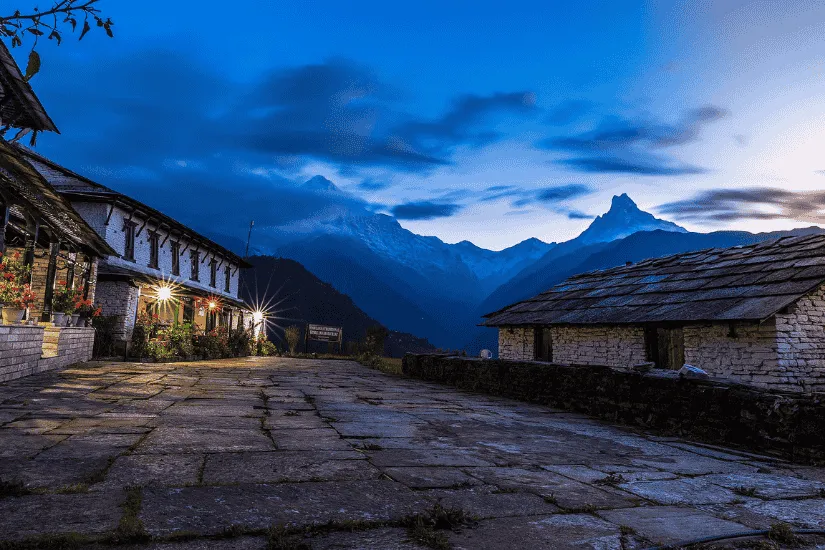
A Ghandruk Gurung village tour is more than a trek—it’s a journey into the heart of Annapurna’s culture and scenery. The village itself is a living museum, with traditional stone-paved lanes, terraced fields, and homes built in classic Gurung architecture. Walking through Ghandruk feels like stepping back in time, where every corner tells a story.

The Gurung Museum Ghandruk visit is a must for anyone interested in local history. Here, you can learn about Gurung traditions, view artifacts, and hear tales of ex-Gurkha soldiers who served around the world. Interacting with local families adds a personal touch, giving trekkers insight into daily life in this Himalayan community.

Nature lovers will enjoy rhododendron forest trails, birdwatching opportunities, and peaceful strolls through the surrounding hills. Early risers are rewarded with sunrise views on the Machhapuchhre viewpoint trek, where the Fishtail Mountain and Annapurna South dominate the skyline—a perfect spot for photography and quiet reflection.

The village also offers small handicraft shops and local eateries. Sample traditional Nepali dishes and buy handmade souvenirs to support the community. Whether it’s culture, nature, or Himalayan vistas you seek, Ghandruk delivers a compact but unforgettable experience.

Ghandruk Village Trek Difficulty — Is It Right for You?

The Ghandruk Village Trek is considered easy to moderate, making it ideal for first-time hikers following a beginner Annapurna trek guide. The highest point, Ghandruk village at 1,940 meters, poses minimal altitude sickness risk, allowing most travelers to enjoy the trek comfortably.

Fitness requirements are modest: regular walking, light cardio, and stair climbing are usually sufficient. For best results, a few weeks of preparatory hikes or cardio training can make the journey smoother. The trek is family-friendly, suitable for kids, seniors, and anyone wanting a manageable introduction to the Himalayas.

Compared to other Annapurna short trek itineraries, such as Poon Hill or Mardi Himal, Ghandruk is shorter in duration and less steep. Daily distances range from 4–6 hours, allowing time to appreciate panoramic views and cultural stops without exhaustion.

Overall, if you’re looking for a scenic, cultural, and low-risk Himalayan trek, Ghandruk offers the perfect balance of adventure and accessibility. However, if you’re seeking a more challenging experience, the EBC trek is worth considering.

Final Thoughts on the Ghandruk Village Trek Itinerary 2026

The Ghandruk Village Trek Itinerary 2026 stands out as one of Nepal’s best Annapurna short trek itineraries, blending cultural immersion, Himalayan panoramas, and manageable trekking for beginners and families. From terraced fields to Gurung village life, every step offers a memorable experience.

With peak seasons filling quickly, planning early is essential to secure your spot and make the most of your adventure. Don’t wait Book your Ghandruk Village Trek package 2026 today and ensure a smooth, unforgettable journey.

For extra convenience, download a free trek map or contact us for a custom itinerary tailored to your schedule and preferences. Your Himalayan adventure awaits!
Which month is best for Ghandruk?

The best time to do the Ghandruk Village Trek is during spring (March–May) and autumn (September–November). Spring offers blooming rhododendrons, mild weather, and clear skies, while autumn provides stable weather, crisp mountain views, and excellent trail conditions. Monsoon (June–August) and winter (December–February) are less ideal due to rainy, slippery trails or cold, snowy conditions.

The Ghandruk Village Trek is typically a 4-day trek. It starts from Nayapul, passes through villages like Birethanti and Landruk, and ends back at Nayapul or Pokhara. Each day involves 4–6 hours of moderate trekking, making it ideal for beginners, families, and travelers with limited time.

Yes, trekking to Ghandruk requires two official permits: the ACAP (Annapurna Conservation Area Permit) and the TIMS (Trekking Information Management System) Card. The ACAP permit supports conservation in the Annapurna region, while the TIMS card tracks trekkers for safety. Both can be obtained in Pokhara or Kathmandu before starting your trek. Carrying these permits is mandatory for all trekkers.

The ACAP permit costs NPR 3,000 (~$25–30) and the TIMS card is NPR 2,000 (~$17–20). These are required for the Ghandruk Village Trek.

14 Days Everest Base Camp Trek Cost 2026 & 2027 | EBC Trek

Everest Base Camp Trek Cost 2026 & 2027 from $1,200

You’ve imagined it for years—standing beneath the Khumbu Icefall, breathing thin Himalayan air, and watching Everest glow at sunrise. Before you commit, though, you need clarity on Everest Base Camp Trek Cost 2026 & 2027—especially if you’re aiming for the lowest realistic budget.

A standard 14-day Everest Base Camp itinerary reaches 5,364 meters and can cost as low as $1,200 when you choose basic Everest trekking packages 2026, shared rooms, and local guides. Budget plans usually include permits, domestic flights to Lukla, simple teahouse accommodation in Everest region, and three daily meals.

If you’re planning your Everest Base Camp trek in 2027, early booking helps secure lower Lukla flight fares and avoid seasonal price spikes. Understanding Sagarmatha National Park permit fees and daily trekking expenses keeps your Everest Base Camp budget breakdown realistic.

In this guide, you’ll learn how to minimize costs without sacrificing safety. I’ll also explain why trekking during the spring and autumn trekking season in Nepal gives you better weather and stronger value for money.

Everest Base Camp Trek Cost 2026 & 2027

What’s Included in the Everest Base Camp Trek Cost?

When you review Everest Base Camp Trek Cost 2026 & 2027, the real question isn’t just price. It’s value. A standard package covers far more than many first-time trekkers expect.

Most operators structure their EBC trek itinerary 14 days around these core inclusions:

  • Guide and porter fees 2026 (licensed guide, shared porter support)
  • Round-trip Lukla Kathmandu flights price
  • Basic teahouse accommodation EBC throughout the trek
  • Three daily meals, with hearty EBC trek meals dal bhat as the staple
  • Sagarmatha National Park permits
  • Khumbu Pasang Lhamu permit

According to the Nepal Tourism Board, trekkers must obtain official national park and local municipality permits before entering the region. Always verify updated fees directly through their official platform.

Meals usually focus on dal bhat, noodles, soups, and eggs. Dal bhat remains the most filling and cost-effective option. You’ll eat it often. Most trekkers grow to love it.

Package vs. Independent Trekking

A guided package simplifies logistics and controls Khumbu Valley trekking costs. Independent trekking can lower expenses slightly, but you handle permits, flights, and route planning yourself.

Budget packages range from $900–$1,200 with shared services. Standard comfort sits around $1,200–$1,800. Luxury options exceed $3,000 and include premium lodges and helicopter upgrades.

Choose based on comfort, experience, and risk tolerance. Your safety should never be negotiable.

Everest Base Camp Budget Breakdown for 2026–2027

Let’s strip emotion out for a moment and talk numbers. If you’re planning smartly, you need a realistic view of your Everest Base Camp Trek Cost 2026 & 2027.

Here’s a practical breakdown:

CategoryEstimated Cost (USD)
Standard Package$1,200–$1,800
Kathmandu–Lukla Round Trip Flight$350–$430
Guide Fees$30–$50 per day
Porter Fees$30–$50 per day
Food (if not included)$25–$40 per day
Insurance, Visa, Extras$200–$500
Permits (Total)~$50–$60

Most trekkers choose a package because it bundles flights, permits, accommodation, and staff support. Independent trekkers can reduce base costs, but daily expenses often rise unexpectedly.

Flights to Lukla form one of the largest fixed expenses. Prices increase during peak spring and autumn seasons. Guide and porter costs vary by experience and group size.

Food prices climb as altitude increases. Transport logistics make everything more expensive above Namche Bazaar.

Travel insurance remains non-negotiable. You need high-altitude coverage up to 6,000 meters. According to the World Health Organization(WHO), altitude sickness risk increases significantly above 2,500 meters. Always review official altitude guidance before departure.

Plan conservatively. Add a buffer. The Himalayas reward preparation, not optimism.

How Permits Impact Your Everest Base Camp Trek Cost 2026 & 2027

Permits form a mandatory part of your trekking budget. You cannot legally enter the region without them.

Here’s the breakdown:

  • Sagarmatha National Park permit: $30
  • Khumbu Pasang Lhamu Rural Municipality permit: $30
  • Trek Card (TIMS equivalent): $10

The Khumbu permit increased in 2024 and remains in effect for 2026–2027. Always confirm current rates before departure.

You can purchase permits in Lukla or through registered trekking agencies in Kathmandu. Most standard packages include these fees in the total cost.

SAARC country citizens often receive discounted national park rates. Bring valid identification if you qualify.

Permits support trail maintenance, waste management, and local infrastructure. They directly benefit the region you’re trekking through.

Daily Food and Accommodation Expenses

Teahouse accommodation remains simple but functional. At lower elevations, rooms cost $5–$10 per night. Prices rise with altitude.

In Gorak Shep, expect lodging to cost $15–$25 per night due to transport challenges.

Food costs increase steadily. Dal bhat starts around $6–$8 at lower elevations and can reach $10–$12 near Base Camp. Many trekkers choose dal bhat because refills often come free.

Hot showers typically cost $5–$10. WiFi access and device charging also carry separate fees.

Budget carefully for these daily expenses if your package excludes meals. Small charges add up quickly in the Khumbu.

Complete 14-Day EBC Trek Itinerary Overview

The classic trek to Everest Base Camp spans approximately 130 km round trip. Below is a detailed day-by-day breakdown for the standard 14-day itinerary.

DayRoute & ElevationDetails
1Arrive in Kathmandu (1,400m)Airport pickup, trek briefing, permit verification, and final gear checks.
2Fly to Lukla (2,840m), trek to Phakding (2,610m)Scenic mountain flight; easy riverside walk along the Dudh Koshi.
3Phakding to Namche Bazaar (3,440m)Cross suspension bridges, enter Sagarmatha National Park, steady uphill climb.
4Namche AcclimatizationHike to Everest View Hotel for panoramic views; descend to sleep lower.
5Namche to Tengboche (3,860m)Scenic ridge walk; visit Tengboche Monastery.
6Tengboche to Dingboche (4,410m)Trek via Pangboche; landscape becomes alpine and open.
7Dingboche AcclimatizationShort ridge hike for altitude adaptation and lung expansion.
8Dingboche to Lobuche (4,910m)Gradual ascent past climbers’ memorials.
9Lobuche to Gorak Shep (5,164m), EBC (5,364m)Reach base camp; views of Khumbu Icefall.
10Kala Patthar (5,555m) sunrise, descend to PhericheEarly hike to Kala Patthar for best Everest panorama.
11Pheriche to NamcheLong but easier descent with thicker air.
12Namche to LuklaFinal trekking day celebration.
13Fly to KathmanduReturn flight; leisure evening in kathmandu.
14Departure / Buffer DayExtra day for weather delays or rest.

The itinerary is intentionally gradual, allowing proper acclimatization and significantly improving safety and summit success rates.

Accommodation Options Along the Khumbu Valley

The Everest region runs on a simple system: teahouse accommodation EBC style. Think mountain lodges, not hotels. You get a bed, a blanket, and a dining hall heated by a yak-dung stove.

At lower elevations like Lukla and Namche, rooms cost $10–$30 per night. These lodges often offer better insulation, attached bathrooms, and stronger WiFi. Comfort feels reasonable here.

As you climb higher toward Dingboche and Gorak Shep, prices shift. Basic rooms range from $3–$15 per night. However, Gorak Shep lodging costs can feel higher due to limited supply and transport challenges.

Amenities vary by altitude:

  • WiFi available, but slower higher up
  • Hot showers cost extra
  • Heated dining rooms remain standard
  • Shared bathrooms common at higher elevations

Most teahouses follow a “room-free-with-meals” policy. If you eat dinner and breakfast there, they discount or waive the room fee.

For trekkers seeking comfort, luxury lodges in Namche charge up to $200 per night. These offer private bathrooms, electric blankets, and premium service.

Choose comfort level wisely. Altitude matters more than aesthetics. . For trekkers seeking an even more challenging Himalayan experience beyond the Everest Base Camp Trek, Manaslu Circuit Trek offers an extraordinary journey through high-altitude passes.

Guide and Porter Services: Worth the Investment?

Hiring professionals transforms your trek from risky to strategic. High altitude punishes poor decisions. A trained guide monitors your pace, watches for symptoms, and adjusts the route if weather shifts.

Current guide porter fees 2026 range between $30–$50 per day per person. Guides lead, manage logistics, and handle permits. Porters carry 15–20 kilograms so you conserve energy for altitude.

Many trekkers underestimate mental fatigue. A guide removes constant decision-making. That relief matters above 4,000 meters.

Tipping remains standard practice. Most trekkers allocate 10–15% of the total service cost at the end. Split tips fairly if you trek in a group.

Solo travelers benefit most from hiring support. You gain local knowledge and emergency backup. Groups reduce costs by sharing guide expenses.

Nepal currently requires licensed guides in several trekking regions. Regulations continue evolving, so always confirm current rules before departure.

You can trek independently. But smart trekkers invest in safety.

Additional Costs to Budget For

Planning your Everest Base Camp journey goes beyond permits and accommodation. Smart trekkers account for gear, insurance, and emergency funds to avoid last-minute surprises. These extra expenses may seem minor individually, but together they can add $300–$500 to your overall budget. For travelers considering an alternative aerial experience, reviewing the Everest Helicopter Tour Cost can also help you compare trekking expenses with scenic flight options before finalizing your budget. Factoring them in early helps you prepare realistically and travel with peace of mind.

Gear and Equipment Expenses

If you don’t own trekking gear, renting in Thamel is the most budget-friendly option. EBC trek gear rental Kathmandu shops typically charge $50–$100 for a full set, including a down jacket, sleeping bag, trekking poles, and duffel bag.

Must-have items include sturdy boots, thermal layers, gloves, and UV-protection sunglasses. Nice-to-have extras include gaiters and luxury sleeping liners. Buying makes sense if you trek frequently, but renting is ideal for one-time travelers. Stick to reputable stores in Thamel for quality and fair pricing.

Travel Insurance and Emergency Funds

Travel insurance is mandatory for trekking up to 6,000m, especially for routes near Everest Base Camp. Policies typically cost $200–$300 and must cover high-altitude trekking and helicopter evacuation, which can exceed $5,000 without coverage.

You’ll also need a Nepal visa on arrival: $30 (15 days) or $50 (30 days). Always carry emergency funds for unexpected delays or weather disruptions. Before traveling, review health guidance from the Centers for Disease Control and Prevention Nepal travel page to stay informed.

Best Time to Trek and Seasonal Price Variations

The most popular time for the Everest Base Camp trek falls during the spring (March–May) and autumn (September–November) windows, often called the spring autumn trekking season 2027. Spring offers blooming rhododendrons, stable temperatures, and clearer mountain views. Autumn brings crisp air, excellent visibility, and post-monsoon freshness, making both seasons ideal for photography and summit panoramas near Everest Base Camp.

Peak seasons come with higher prices for flights, guides, and accommodation. Lukla flights may operate from Ramechhap during busy months, requiring extra travel planning. Off-season treks (winter and monsoon) offer discounted rates but less predictable weather.

Monsoon season also brings increased health risks on the trail. The CDC‘s traveler’s health recommendations for Nepal advise trekkers to be aware of waterborne illnesses and insect-borne diseases during wetter months — another strong reason why spring and autumn remain the safest and most recommended trekking windows.

For 2026 vs. 2027, only minimal price increases are expected, mainly due to inflation and permit adjustments, keeping overall costs relatively stable year to year.

Everest Base Camp Trek Cost 2026 & 2027

Smart Ways to Reduce Your Everest Base Camp Trek Cost 2026 & 2027

Trekking to Everest Base Camp doesn’t have to break your budget. One of the best ways to cut costs is by joining a group departure, allowing you to share guide and porter expenses. Many trekkers also save by booking with local agencies like Corsa in Kathmandu instead of international operators, which often charge higher margins.

Stick to dal bhat—a nutritious and refillable Nepali staple that’s more affordable than Western menu items at teahouses. Instead of buying bottled water daily, carry water purification tablets or a reusable filter bottle to reduce expenses. Renting gear in Kathmandu is also cheaper than purchasing new equipment for a single trek.

Traveling during the shoulder season (late winter or early summer) can mean better deals on flights and accommodation. If trekking in a group, share porter services to divide costs. Finally, bring enough Nepali rupees, as ATMs are limited beyond Namche Bazaar.

Planning Your 2026 or 2027 Everest Base Camp Adventure

A realistic total budget for trekking to Everest Base Camp in 2026 or 2027 ranges between $1,500–$2,200 per person, depending on season, services, and comfort level. While it’s a significant investment, the experience of standing beneath the world’s highest peak delivers unmatched personal achievement and lifelong memories.

To ensure value for money, book with reputable local agencies in Kathmandu that provide transparent pricing and proper safety standards. Physical preparation is equally important—train with cardio, strength, and endurance exercises months before departure to maximize enjoyment and reduce altitude risks.

Start planning and securing your dates 3–6 months in advance, especially for peak seasons. For the most accurate Everest Base Camp Trek Cost 2026 & 2027 updates, consult trusted trek operators directly and compare detailed package inclusions before confirming your booking.

Koshi Tappu Wildlife Reserve Tour Package – Best Safari Experience in Eastern Nepal

Discover the Koshi Tappu Wildlife Reserve Tour Package

The Koshi Tappu Wildlife Reserve Tour Package is one of the entries into one of the most beautiful natural reserves of Eastern Nepal should you be a wildlife enthusiast or a lover of nature. This wetland reserve is a part of the UNESCO-approved area, which is a home to rare wildlife such as wild water buffalo, a variety of migratory birds, and forests along the river. Bird watchers, ecotourism activists, and tourists come here in large numbers to get a wholesome experience that also incorporates adventure with awareness of conservation.

We are going to tell you all you need to know about a Koshi Tappu Wildlife Reserve Tour Package, including the ideal time to visit, safari experience, bird-watching tour, and eco-tourism programs, as well as traveling expenses and tips for having a safe and enriching experience. At the conclusion of this post, you will already have a blueprint of how to go about organizing your Koshi Tappu nature tour successfully.

Everest Helicopter Tour Cost 2026/27

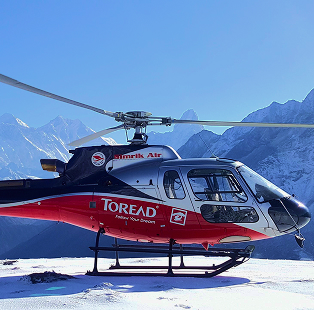
Everest Helicopter Tour Cost 2026/27: A Complete Travel Price Guide One of the most coveted experiences for travelers worldwide is…

Bhutan Tour Packages 2026/27: Complete 7-Day Itinerary, Costs & Travel Guide

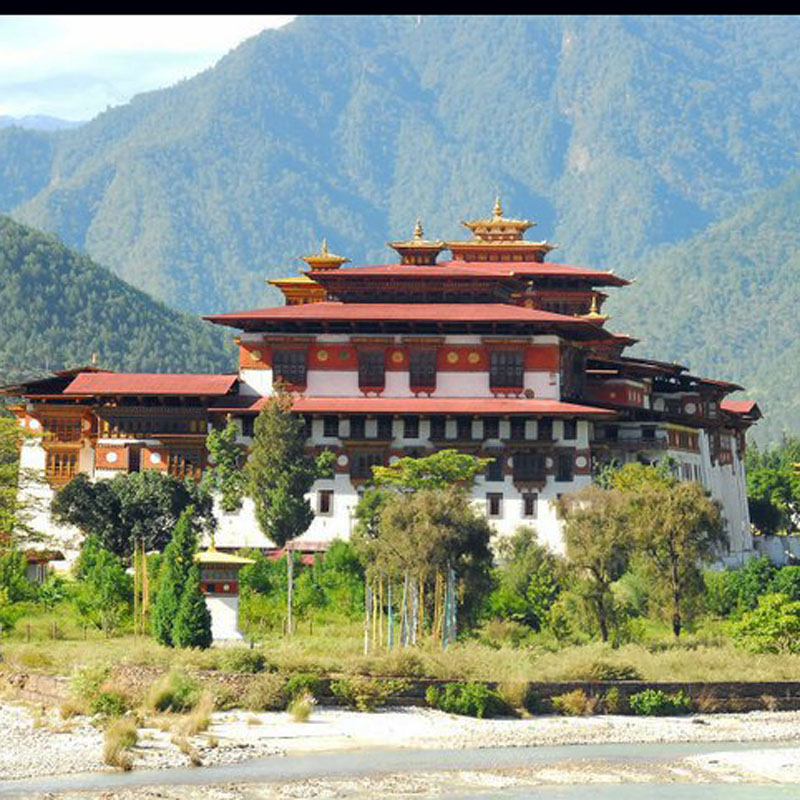
Introduction to Bhutan Tour Packages 2026/27 Bhutan tour packages 2026/27 offer a rare chance to explore a Himalayan kingdom that…

Ultimate Bhotekoshi Bungee Jump Sindhupalchok Guide 2026

Why Bhotekoshi Bungee Jump Sindhupalchok is a Must-Visit ?

The Bhotekoshi Bungee Jump Sindhupalchok must be at the top of your list of places to visit in case you are an adventure lover and want to have an adventure like no other. This adventure experience is situated in the center of Sindhupalchok, Nepal. It is not only an adventure activity but also has great scenery of the Bhotekoshi River and its surroundings.

The adventure seekers, travel bloggers, and outdoor activity companies know that Bhotekoshi has become one of the best locations offering extreme sports. In this post, we’ll talk about what makes this bungee jump unique, other fun things to do in Bhotekoshi, safety tips, and how to plan your trip. By the end of this post, you will understand why Bhotekoshi should be on the list of must-visit places for thrill-seekers.

Experience the Thrill of Bhotekoshi Bungee Jump Sindhupalchok

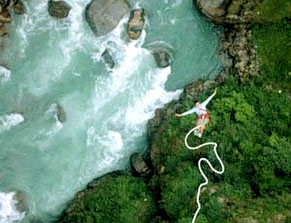
One of the most fascinating jumps in Asia is the Bhotekoshi Bungee Jump Sindhupalchok. It is 160 meters tall above the roaring Bhotekoshi River and offers both an adrenaline rush and breathtaking scenery. The jump is appropriate for adventure tourists, extreme sports, and all other people who want to challenge themselves.

The free-fall is also popular among visitors who claim that it can provide a certain combination of fear, excitement, and achievement. Local operators are offering professional safety equipment, professional guidance, and proper instructions to make your adventure enjoyable.