Dreaming of Nepal? Let's make your journey unforgettable!

BOOK NOW

The Best Trekking Destinations in Nepal: An Honest, Expert Guide for 2026

Nepal is the world’s best trekking destination, offering over 5,000 kilometres of trails across six major regions: the Khumbu (Everest), Annapurna, Langtang, Manaslu, Dolpo, and Kanchenjunga. The country holds eight of the world’s fourteen 8,000-metre peaks and provides teahouse-supported access to the base of most of them. Top trekking destinations include the Everest Base Camp Trek (14–16 days), the Everest Three Passes Trek (18–21 days), the Annapurna Circuit (14–18 days), Ghorepani Poon Hill (4–5 days), Langtang Valley (7–12 days), and the Manaslu Circuit (14–18 days). The best seasons to trek are October to November and March to April. Corsa Nepal Adventure, a government-registered, Nepal Tourism Board-licensed operator based in Kathmandu, offers guided packages across all these regions with all permits and logistics included.

Ready to start planning? Browse all trekking packages at Corsa Nepal Adventure or WhatsApp us directly at +977 9851 021 716.

Why Nepal Remains the World’s Premier Trekking Destination

Nepal holds eight of the world’s fourteen 8,000-metre peaks, yet what makes it extraordinary for trekkers is not just altitude. It is access. Nowhere else on earth can you walk to the base of the world’s highest mountains on well-maintained trails, sleep in teahouses with hot meals, and move through living Sherpa, Tamang, Gurung, and Thakali communities every single day.

The trail network spans over 5,000 kilometres across six major trekking regions. Three of those regions, the Khumbu (Everest), Annapurna, and Langtang, form the classic trekking triangle. The other three, Manaslu, Dolpo, and Kanchenjunga, represent the frontier: quieter, rawer, and increasingly popular among experienced trekkers who want depth over convenience.

Here is what the best trekking destinations in Nepal look like in 2026/27.

1. Everest Region, Khumbu — The Benchmark

🥾 Difficulty: Moderate to Challenging
⏳ Duration: 12–21 days
🏔️ Max Elevation: 5,364m (EBC) to 5,535m (Kala Patthar)

No list of Nepal’s best trekking destinations starts anywhere else. The Everest region draws roughly 50,000 trekkers a year, and the numbers are justified. The Khumbu is visually and culturally overwhelming in the best possible way.

Classic EBC Trek

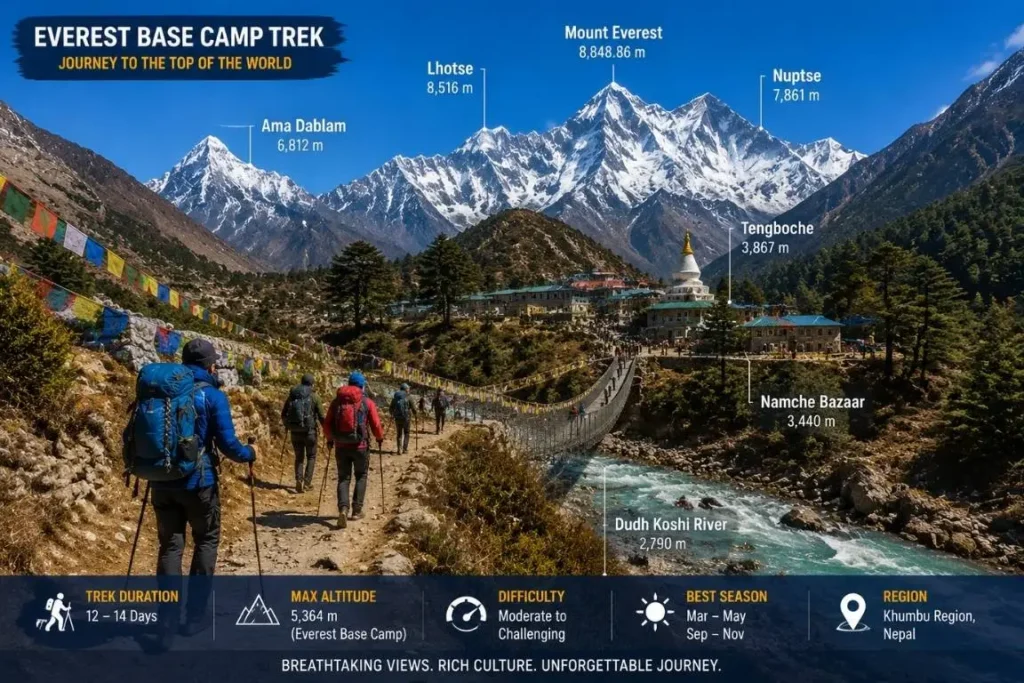
The route from Lukla to Everest Base Camp via Namche Bazaar, Tengboche, Dingboche, and Lobuche is the world’s most iconic high-altitude walk. Namche Bazaar, a remarkably cosmopolitan Sherpa market town at 3,440m, is alone worth the flight from Kathmandu. The Tengboche Monastery, set against the south face of Ama Dablam, is one of the most photographed places in the Himalayas. EBC itself is a glacial moraine rather than a dramatic summit viewpoint, but the pilgrimage quality of arriving there is genuinely powerful.

Our honest take: EBC is crowded on the main trail from October to November. The trail from Dingboche to Lobuche sees heavy teahouse queuing in peak season. If you want the classic route, go — but come with adjusted expectations about solitude.
Everest Three Passes Trek

For trekkers who want to move beyond the EBC highway, the Three Passes route (Kongma La 5,535m, Cho La 5,420m, Renjo La 5,360m) is arguably the finest multi-day trek in the entire Khumbu. You cross all three high passes, visit Gokyo Lakes (a turquoise chain of glacial lakes at 4,700–5,000m), stand on Gokyo Ri for a panorama of four 8,000m peaks, and descend through Thame, an authentic Sherpa village most EBC trekkers never see.

Best direction: Anti-clockwise (start via Kongma La, finish via Renjo La). Renjo La delivers the most dramatic Everest panorama of the three and is best saved for last.

Fitness requirement: Real cardiovascular fitness is needed. Three consecutive high-pass days are punishing. Acclimatise properly with a minimum of two nights in Namche.

Corsa Nepal Adventure offers the complete Three Passes Trek as a 20-day guided package with flexible acclimatisation days built in and small group sizes to preserve the trail experience.

2. Annapurna Region — Diversity Above All

🥾 Difficulty: Easy to Very Challenging (route-dependent)
⏳ Duration: 4–21 days
🏔️ Max Elevation: 5,416m (Thorong La Pass)

The Annapurna region is Nepal’s most visited trekking zone, and for good reason. It packs more variety into a single permit area than most countries manage in their entire trail network. Snow-capped 8,000m peaks, subtropical jungle, the deepest gorge on earth (Kali Gandaki), ancient Mustang plateau landscapes, and the sacred temple of Muktinath all sit within the same conservation area.

Annapurna Circuit

Once one of the world’s great wilderness treks, the Circuit was partly compromised by road construction along the Kali Gandaki valley. The honest assessment in 2026: the lower sections involve stretches of road walking, and parts of the southern approach feel more like a road trip than a trek. However, the Thorong La crossing (5,416m), the upper Mustang landscape around Manang, and the final descent to Tatopani remain extraordinary. If you do the Circuit, go with an experienced guide who knows the alternative trail sections above the road. They make a significant difference.

Ghorepani Poon Hill Trek

Four to five days, beginner-friendly, rhododendron forests in bloom from March to May, and a sunrise view of Dhaulagiri (8,167m) and Annapurna South from Poon Hill that stops people mid-step. This is the ideal introduction to Himalayan trekking and one of the most emotionally satisfying short treks on earth. Perfect for families, first-timers, or trekkers short on time.

Annapurna Base Camp (ABC) Trek

The ABC route through the Annapurna Sanctuary, a glacier-ringed amphitheatre at 4,130m, is a classic for a reason. The final walk into base camp, with Annapurna I (8,091m) directly overhead, is one of the most dramatic approach marches in Nepal. 10–14 days, moderate difficulty, excellent teahouse infrastructure.

Corsa Nepal Adventure packages cover the full Annapurna spectrum, from a 5-day Poon Hill experience to the full 18-day Circuit with off-road alternatives.


3. Langtang Valley — The Underrated Gem

🥾 Difficulty: Moderate
⏳ Duration: 7–12 days
🏔️ Max Elevation: ~4,984m (Tserko Ri)

Langtang sits just 60km north of Kathmandu, yet it feels like a different world. The valley is deep, pine-forested, and dominated by Tamang Buddhist culture. Prayer flags, mani walls, and yak herders are constants on the trail. The village of Kyanjin Gompa at 3,870m is a supremely peaceful base for acclimatisation hikes. Tserko Ri (4,984m) above it offers views of Langtang Lirung (7,227m) that rival anything in the Khumbu.

Post-2015 earthquake, Langtang was devastated when the village was buried by an avalanche. The rebuilt community is resilient and deeply grateful to trekkers who return. Visiting Langtang is both an outstanding trek and a meaningful act of support for the local community.

Combined option: Pair the Langtang Valley Trek with the Gosaikunda Lakes (4,380m), sacred Hindu pilgrimage lakes, for a 12–14 day circuit that covers alpine meadows, Buddhist monasteries, and glacial lake scenery in a single itinerary.

Langtang Valley Trek is one of Corsa Nepal Adventure’s most recommended routes for trekkers with limited time who want authentic cultural immersion without the Khumbu crowds.

4. Manaslu Circuit — The Serious Alternative

🥾 Difficulty: Challenging
⏳ Duration: 14–18 days
🏔️ Max Elevation: 5,160m (Larkya La Pass)
📜 Permit: Restricted Area Permit (mandatory guide)

If you have done EBC or the Annapurna Circuit and want something with less traffic and more depth, Manaslu is the answer. The circuit circumnavigates Manaslu (8,163m, the world’s eighth-highest peak) through remote Nubri and Tsum valleys, crossing Larkya La Pass at 5,160m. The teahouse infrastructure has improved significantly since 2018, but sections of the trail remain genuinely wild.

Manaslu requires a restricted area permit and a licensed guide — non-negotiable by Nepali law. This barrier keeps numbers manageable and the experience more authentic. The upper Budhi Gandaki valley section, approaching Samagaon, ranks among the most scenically dramatic days of walking in all of Nepal.

Corsa Nepal Adventure’s Manaslu Round Trekking package includes all permits, experienced local guides, and carefully planned teahouse bookings for the restricted sections.

5. Upper Dolpo — For the Truly Adventurous

🥾 Difficulty: Very Challenging
⏳ Duration: 18–25 days
🏔️ Max Elevation: ~5,360m (Kagmara La)
📜 Permit: Restricted Area Permit (mandatory guide)

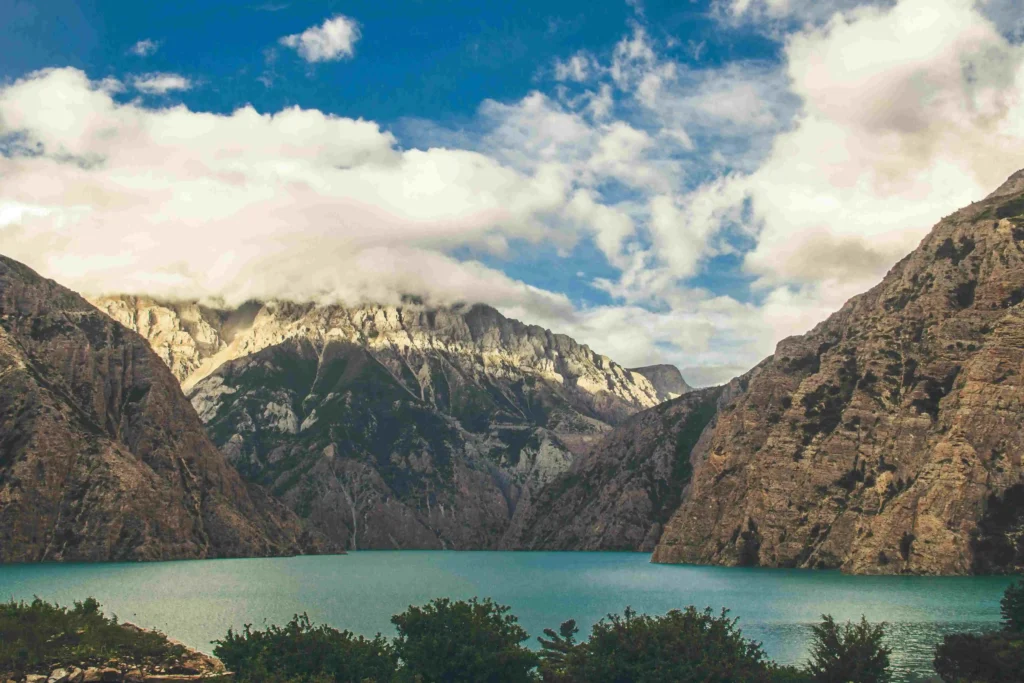
Upper Dolpo is where Nepal’s trekking frontier truly begins. The most remote region covered in this guide, Dolpo sits in the rain shadow of the Himalayas, a high-altitude Tibetan plateau landscape that receives almost no monsoon rainfall. The culture here is pre-Buddhist Bon as well as Tibetan Buddhist. The villages feel genuinely medieval, and Phoksundo Lake, a cyan jewel at 3,611m, is one of the most beautiful bodies of water on earth.

Upper Dolpo requires a restricted area permit, a mandatory licensed guide, and serious logistical preparation. Camping is required in large sections. This is not a teahouse trek. It is a full expedition and should be planned accordingly.

Corsa Nepal Adventure’s Upper Dolpo Trekking package covers the full logistics: restricted permits, camping equipment, experienced high-altitude guides, and a crew with deep regional knowledge.

How to Choose the Right Trek in Nepal : A Practical Framework

The right answer depends entirely on your fitness, timeframe, and what you want from the experience. Here is how to filter:

Your PriorityBest Trek Match
First trek in Nepal, limited timePoon Hill (4–5 days) or Langtang (7–10 days)
Classic Everest experienceEBC Trek (14–16 days)
Maximum Khumbu scenery, serious fitnessThree Passes Trek (18–21 days)
Crowd-light trails, authentic cultureManaslu Circuit or Langtang Valley
True wilderness, full expeditionUpper Dolpo (18–25 days)
Cultural depth with scenic varietyAnnapurna Circuit (with off-road sections)

Best Time to Trek in Nepal 2026/27

  • October to November: Peak season. Crystal-clear skies, stable weather, full teahouse availability. Trails on EBC and Annapurna routes are busy.
  • March to April: Second-best season. Rhododendrons in bloom at lower elevations make the trek more mesmerizing. Slightly longer days. Annapurna and Langtang are especially beautiful.
  • December to February: Cold but quiet, best for trekkers who want to escape and blend into nature. High passes may be closed (Three Passes, Thorong La). Lower altitude treks like Poon Hill and lower Langtang are viable with the right gear.
  • May and September: Shoulder season — less crowded, reasonable prices, but some cloud cover and occasional precipitation around trekking days.

Acclimatisation: The Non-Negotiable

Every high-altitude trek above 3,500m requires proper acclimatisation. The standard protocol: ascend no more than 300–500m of sleeping altitude per day above 3,000m, and take a rest day every third or fourth day. Acute Mountain Sickness (AMS) is common at altitude. High Altitude Pulmonary Edema (HAPE) and High Altitude Cerebral Edema (HACE) are life-threatening conditions that develop when trekkers push too fast.

The most dangerous thing you can do is rush a schedule because of a flight deadline. Build buffer days into your itinerary. A slow trek is a successful trek.

Independent Trek vs. Guided Trek: The Real Trade-offs

FactorSolo/IndependentGuided with Corsa Nepal
FlexibilityHighMedium-High (options built into itinerary)
Safety netLower — AMS decisions and navigation are yours aloneHigh — guides are certified in wilderness first aid
Cultural accessLimited to teahouse interactionsDeep — local guides provide context on monastery protocols, trail history, and village life
CostLower upfrontBetter overall value (guides prevent costly mistakes and missed experiences)
PermitsSelf-managedFully handled
Off-route accessOften missedLocal knowledge unlocks hidden villages and viewpoints

A licensed, experienced guide is never just a navigator. On restricted trails like Manaslu and Dolpo, they are the single most important factor in your safety and the richness of your experience.

Why Book with Corsa Nepal Adventure?

Corsa Nepal Adventure is a Kathmandu-based, government-registered trekking company with over a decade of experience operating across all six major trekking regions of Nepal. Every guide is Nepal Tourism Board-licensed, trained in altitude medicine, and from the communities you will be walking through. That local knowledge is irreplaceable.

Our packages are built around what matters to serious trekkers:

  • Fully customisable — dates, pace, side trips, and difficulty adjusted to your needs
  • Transparently priced — all permits, teahouse bookings, and guide/porter fees included upfront
  • Small-group by default — group sizes capped to preserve the trail experience
  • Genuinely responsive — WhatsApp us at +977 9851 021 716 and get a real answer from a human within hours

We operate EBC, Three Passes, Annapurna Circuit and ABC, Poon Hill, Langtang Valley, Gosaikunda, Manaslu Circuit, Tsum Valley, Upper Dolpo, and more. If it is a trail in Nepal, we walk it.

Start Planning Your Nepal Trek Today

Nepal has the right trail for every level of trekker. The Khumbu will humble you. Annapurna will show you why trekking became a global phenomenon. Langtang will give you cultural depth within a week. Manaslu will remind you what mountains felt like before the crowds arrived. Dolpo will feel like stepping into another century.

All of it is within reach. All of it is better with a local guide who knows the land intimately.

Explore all Nepal trekking packages at Corsa Nepal Adventure and find the route that fits your timeline, fitness, and ambition.

Prefer to talk it through first? WhatsApp our team at +977 9851 021 716 for a no-obligation conversation about your options. We help you choose, we handle the logistics, and we make sure you come back having done the trek right.

Plan your custom Nepal trek now.

All treks operate subject to Nepal government permit regulations. Restricted area treks including Manaslu, Dolpo, and Upper Mustang require a licensed guide by law. Corsa Nepal Adventure handles all permit paperwork on your behalf.

Written by the Corsa Nepal Adventure team — licensed trekking guides and expedition specialists based in Kathmandu, Nepal.
Best Time to Trek in Nepal: Seasons, Weather & Permits 2026

The tough routes of Nepal have drawn travelers for years. If you’ve ever dreamed of standing on the summit of Mount Everest, walking through Rhododendron forests in the Annapurna region, exploring Langtang’s remote valleys, or traversing high passes like Manaslu and Manaslu, trekking in Nepal provides an experience that changes the way you look at the world.

The Corsa Nepal offer stunning natural beauty, awe-inspiring civilizations, and a personal challenge. But enjoyment and success depend on deciding the best time to visit. Also, they need to be aware of the weather, permits, and the right preparation. This complete guide draws on years of trekking and leading in Nepal. It helps trekkers from all over the world plan their ideal Himalayan adventure.

Best Seasons for Trekking in Nepal

Nepal has four distinct seasons, each influencing the landscape of trekking in unique ways. The two seasons with the highest volume of activity, autumn and spring, draw the most attention from visitors, and for well-founded reasons. However, the off-season and shoulder seasons also offer a great opportunity for those who can adapt.

Spring Season (March – May)

The spring season is one of the most beautiful times to trek in the mountain ranges. As winter fades, temperatures rise, and the days become longer and warmer. Lower elevations explode into vivid colors with blooming rhododendrons : Nepal’s national flower creating a sea of reds, whites, and pinks, particularly striking on Annapurna trails.

  • Mountain Visibility: Generally excellent until the end of May, when pre-monsoon clouds may appear.
  • Temperatures: Mid-elevations (2,000–3,500m) range from 10 to 20°C during the day, while nights may still drop below freezing at higher camps.
  • Crowds: Peak at the end of April and May; trails are lively with birds and fellow trekkers.

This season is ideal for nature lovers and photographers looking for floral landscapes and slightly cooler temperatures.

Monsoon and Summer Months (June – August)

Monsoon season brings heavy rain across most of Nepal, making trails muddy and increasing the risk of landslides. Mountain views are often obscured by clouds, and leeches can be a problem on lower paths.

  • Exceptions: Rain-shadowed areas like Upper Mustang and parts of Dolpo remain dry and comfortable, offering a rare chance to trek with fewer people.
  • Advice: Only experienced trekkers should attempt mainstream routes during the monsoon peak.

While not generally a “no-go” period, careful planning is essential.

Autumn Season (September – November)

Autumn is the peak trekking season and for good reason. The monsoon rains purify the air, providing some of the clearest Himalayan views of the year. Trails dry quickly, and temperatures are comfortable.

  • Temperatures: Daytime 15–25°C at lower altitudes; cooler at higher altitudes.
  • Visibility: Crystal-clear, especially in October, making it ideal for iconic routes like Everest Base Camp and Annapurna.
  • Cultural Experiences: Festivals like Dashain and Tihar enrich the village stops.

Autumn is considered the most pleasant season due to dry trails, stable weather, and clear skies.

Winter Season (December – February)

Winter offers peace and beauty for tough adventurers. Clear skies are common, but temperatures drop significantly above 3,000m, and higher peaks often experience frequent snowfall.

  • Lower Elevation Treks: Areas like Ghorepani-Poon Hill or portions of Langtang remain viable and peaceful.
  • Daylight Limitations: Shorter travel days and some high passes are closed due to snow.

This season is perfect for trekkers seeking a contemplative experience with frost-covered landscapes.

Choosing the Best Season

  • Autumn: Clear skies, stable weather, and peace.
  • Spring: Blooming landscapes and warm days.
  • Monsoon: Access to rain-shadow regions if you want fewer crowds.

Your decision should depend on what you value most: scenic clarity, flowers, solitude, or adventure in less-traveled areas.

Best TIme to Visit Nepal

Monthly Weather Breakdown

The weather in the Himalayas alters dramatically as you ascend. A bright day in Kathmandu could mean freezing temperatures and snow at the top of a pass. We’re here to help you grow stronger mentally and emotionally. It is a useful month-by-month summary of the most popular trekking routes.

Monthly Weather Table for Key Trekking Areas (Approximate Averages)

MonthKathmandu (1,400m)Pokhara (800m)Lukla/Namche (2,800-3,400m)Everest Base Camp (~5,364m)Precipitation RiskTrekking Suitability
January10-20°C12-22°C-5 to 8°C-15 to -5°CVery LowGood for low/mid
February12-22°C13-24°C-3 to 10°C-12 to 0°CLowImproving
March15-25°C16-26°C0 to 12°C-10 to 5°CLow-ModerateExcellent (Spring start)
April18-28°C19-28°C5 to 15°C-5 to 10°CModeratePeak Spring
May20-30°C21-30°C8 to 18°C0 to 12°CModerate-HighGood early, hazy late
June-August22-32°C24-32°C10 to 20°C5 to 15°CHigh (Monsoon)Limited
September20-28°C22-30°C8 to 16°C0 to 10°CModerate rate fallingGood (Post-monsoon)
October15-25°C18-27°C2 to 12°C-5 to 8°CVery LowOutstanding
November10-22°C14-25°C-2 to 8°C-10 to 5°CVery LowExcellent
December8-18°C10-20°C-5 to 5°C-15 to -5°CLowExcellent for those wanting lower costs

Notice: Temperatures drop dramatically in the evening (often 10-15 degrees cooler). The high passes can experience unexpected snow at any time during the high season. Always check current forecasts closer to departure.

Nepal Trekking Permits Explained

All trekkers must obtain proper documentation. These permits allow for trail maintenance, conservation efforts, and security tracking.

Key Permit Types (2026):

  • TIMS Card (Trekkers’ Information Management System): Helps authorities track trekkers for safety. It costs around USD 10-20 based on the status of the group or individual. Many agencies include this as part of their package.
  • National Park/Conservation Area entry permits are required for most well-known regions.
    • Sagarmatha National Park (Everest): ~USD 25-30
    • Annapurna Conservation Area (ACAP): ~USD 25-30
    • Langtang, Manaslu Conservation Area, etc. Similar costs
  • Restricted Zone Permits (RAP) for areas with border security concerns (Manaslu, Upper Mustang, Tsum Valley, etc.). They require a trekking permit from a recognized agency, a certified guide, and, usually, a minimum number of people. Prices vary widely.
Permit TypeCost (USD)Required ForObtained Through
TIMS Card10–20Most common treksNTB offices or trekking agencies
Annapurna Conservation (ACAP)25–30Annapurna Circuit, ABC, etc.Entrance points or Kathmandu
Sagarmatha National Park25–30Everest regionPoints of entry or Kathmandu
Manaslu Restricted + MCAP75–100 (first week) + daily thereafterManaslu CircuitAgency solely
Upper Mustang50 per day (or 500 for 10 days)Upper MustangAgency solely
Other Restricted Areas50–500+Dolpo, Nar-Phu, etc.Agency solely

Essential Packing Guide by Season

The Autumn and Spring seasons (Peak Seasons): Layering is crucial. Make sure you have a great down jacket and waterproof shell, durable trekking poles, boots, sunglasses, and sunscreen. You should also have a four-season sleeping bag for high camps. Base layers that dry quickly are highly suggested.

Winter: Put on heavy thermal layers and a warm sleeping bag, gloves, a balaclava, and gaiters for snow. The need for windproof clothing is paramount.

Monsoon: Get quick-drying, rain covers for your backpack, and leech socks. waterproof boots. Expect high humidity and mud.

Essential items for every season include a reusable water bottle, purifying tablets, a headlamp, a first-aid kit, and high-energy food items.

Practical Tips for a Safe and Enjoyable Trek

The biggest health risk is above 3,000m. Gradually climb – no more than 300-500m of sleeping elevation each day. Always remember to include acclimatization and rest days, especially before climbing high passes. Drink 3 to 5 liters of fluid every day, consume ample amounts of carbohydrates, and try to stay away from alcohol. Pay attention to the signals your body is sending. The common occurrence of mild headaches, however, does not mean severe headaches need immediate treatment.

Spring and autumn are popular departure seasons: Book your reservations 6 to 9 months in advance to secure your preferred dates, as these are often the most favorable. Shoulder seasons tend to be more flexible and usually offer better prices. It is strongly recommended to hike with a certified guide, especially in less-frequented or crowded areas. Additionally, a comprehensive travel insurance policy that covers high-altitude activities and evacuation is essential.

Conclusion: Your Himalayan Journey Awaits

Selecting the best time of year, understanding how weather conditions change, and obtaining the appropriate permits form the basis of a secure and enjoyable trek in Nepal. The seasons of spring and autumn consistently deliver the typical Himalayan adventure that many travelers seek, while others offer unpretentious, peaceful experiences.

These mountains are sure to test your endurance to the limit, challenge you, and then provide you with stunning views as well as friendships and memories lasting for a lifetime. We at Barefoot Adventures specialize in creating customized, responsible treks led by expert local guides who can turn complicated logistics into an easy-to-follow experience.

Are you ready to take that first step? Check out our 2026 trek packages to Everest, Annapurna, Manaslu, and more, or get in touch with us to discuss an individual itinerary based on your preferences and dates.

Namaste, may your paths be smooth and your soul shine.

Chulu East Peak Climbing: Difficulty, Cost, Route & Best Time

Chulu East Peak (6,584m) is one of the most popular trekking peaks in Nepal. It’s the perfect combination of classic Himalayan trekking and a real climbing adventure. This peak is situated in the magnificent Annapurna region and is a great alternative for trekkers who want to get away from the crowds and summit a true Himalayan peak. Traveling with a reliable local operator like Corsa Nepal Adventure makes the trip much more gratifying. It is a well-organized journey that combines rich culture, stunning beauty and the deep joy of high-altitude achievement.

Where is Chulu East Peak Located?

Chulu East Peak is situated in the north of the Annapurna Range, close to Manang. Manang is a crucial acclimatization stop on the popular Annapurna Circuit. It is sandwiched between the mighty Annapurna II and Gangapurna and offers climbers amazing panoramic views during the journey.

This location is ideal of fit person with normal expertience of trekking because its route has gradual altitude gain. As a result, the climb feels safer and more enjoyable than many other high-altitude routes, decreasing the risk of altitude sickness.

Why Choose Chulu East Peak Climbing?

A Real Himalayan Climbing Experience: Chulu East is a true mountaineering experience without requiring any sophisticated technical skills. You will walk on snow slopes, glaciers and use ropes in the few areas. It’s the perfect summit for trekkers who want to take it to the next level in climbing.

Combined Trekking and Climbing Adventure: Unlike standalone expeditions, this climb connects naturally with the Annapurna Circuit. You can choose both at the same time for more adventure.

Less Crowded, More Peaceful: Compared to peaks in the Everest region and other destinations, Chulu East has quieter trails, perfect for people who can take a break from busy life and holiday seekers. This gives you a more intimate and authentic connection with the mountains.

Difficulty Level and Required Skills

Chulu East is listed as an intermediate trekking peak, but still demands excellent preparation. Climate can change frequently at these altitude and cold weather will test your strength and willpower so the basic

You will need:

  • Good physical fitness and strong endurance
  • Previous high-altitude trekking experience (preferably above 4,000m)
  • Basic mountaineering skills, including the use of crampons and ice axes

The final summit push involves glacier travel and steeper snow sections. With experienced guides and proper equipment, these parts are manageable for well-prepared climbers.

Best Time to Climb Chulu East Peak

Spring (March-May) Spring brings stable weather, lovely blooming rhododendrons, and clear mountain views. It’s one of the most popular seasons.

Autumn (September-November) Autumn is crisp and dry and has some of the clearest skies of the year. Visibility and comfort are at their finest for many climbers during this time.

Seasons to Avoid: Monsoon (June to August) brings heavy rain and poor visibility. Winter (December to February) brings extreme cold and heavy snowfall, making the climb much more difficult and risky.

Permits Needed to Climb Chulu East Peak

The following permits will be needed:

  • Chulu East Peak Climbing Permit
  • Annapurna Conservation Area Permit (ACAP)
  • TIMS Card

A professional operator, such as Corsa Nepal Adventure, does all the arrangements and paperwork of the trip, so you can enjoy the trip.

Why is Chulu East Peak Special?

Chulu East is unique in the sense that it is easy to access and at the same time very challenging. The hike will reward you with:

  • Breath-taking scenes of the Annapurna and Dhaulagiri mountain ranges.
  • The ego of conquering a 6,000-meter-high mountain.
  • An extensive assortment of landscapes, including forests and alpine meadows, as well as glaciers.

It’s more than just a climb. It is a total adventure in the Himalayas with culture, excitement, natural beauty and the invaluable experience of being on top of the peak.

Why Book with Corsa Nepal Adventure?

Being a locally based business, Corsa Nepal Adventure is able to offer insider knowledge and true concern to each expedition.

Local Knowledge: Our team is very familiar with the Annapurna area and intends to do superb acclimatization.

Professional Guides: The climbing guides are licensed and experienced in climbing, and safety is the main concern of the guides.

Full Logistics Support: Permits and equipment, accommodation and transport, everything is covered.

Trip Customization: Customize the trip to your needs and pace, whether you are traveling alone or with a group.

For further inquiry
Contact us at: +9779851021716 or Whatapp

Suggestion when climbing Chulu East Peak

  • Train your stamina and tolerance to altitude prior to the trip.
  • Bring the right equipment, such as crampons, insulated clothes, and good quality boots.
  • Always keep well hydrated and adhere to the schedule of acclimatization very carefully.
  • When climbing, it is important always to have certified and experienced guides.

Conclusion

Chulu East Peak Climbing offers a wonderful balance of adventure, beauty, and achievement in the heart of the Annapurna Region. With its manageable difficulty and incredible views, it’s an ideal choice for trekkers ready to take on a Himalayan summit.

Corsa Nepal Adventure, you get safety, support, and a truly memorable experience from start to finish. We have years of experience and a government register.

Upper Dolpo Trek: What Nobody Tells You Before You Go

Have you ever been to a place so quiet and beautiful that you forgot everything else? That’s what Upper Dolpo feels like. It’s not like other famous trekking trails in Nepal. There are no long lines of tourists. No busy tea houses. Just mountains, silence, and one of the most stunning landscapes you’ll ever see in your life.

People who have done trekking in Dolpo find it hard to explain what it was like. They pause. They think. Then they talk about a lake, or the way sunlight hit a cliff one morning. It’s that kind of place, the kind that stays with you long after you come home.

What Is Upper Dolpo?

Upper Dolpo is a region in the far western part of Nepal. For a very long time, no outsider was allowed to go there. It only opened to tourists in 1996 which is actually not that long ago.

Even today, not many people go there. To visit, you need a special permit that costs a lot more than a regular trekking permit. You have to fly into a tiny mountain airport called Juphal, and then walk for many days through some of the highest and most remote land on Earth.

This is not a trek you stumble into by accident. You plan it. You prepare for it. And when you finally go, you understand why people say it changed their life.

Important thing to know: You cannot do this trek alone. You must go with a proper, registered trekking company. Solo trekking is not allowed here.

How Is Upper Dolpo Different From Other Treks in Nepal?

When most people think of trekking in Nepal, they think of Everest Base Camp or the Annapurna Circuit. Those are great treks but they can get very crowded. Upper Dolpo is completely different.

The land looks like Tibet. It’s dry, wide open, and dramatic. The cliffs are rust-red and orange. The sky is impossibly blue. It looks like a painting, but it’s real.

The people are called Dolpo-pa. They follow an ancient religion called Bon, which is even older than Tibetan Buddhism. They live in small villages high up in the mountains and have kept their way of life for hundreds of years.

The monasteries are real, working places. They are not museums for tourists. Monks actually live and pray there. When you visit, you are a guest in their world.

You might not see another foreign tourist for days. On some parts of the route, you can walk for two or three whole days without meeting another trekker from outside Nepal. That kind of peace is very rare in today’s world.

The Most Beautiful Spot: Phoksundo Lake

Almost every trekker remembers the moment they first saw Phoksundo Lake. It usually happens around day six or seven of the trek. You’re walking, tired and sweaty, and then suddenly, there it is.

The lake sits at 3,641 metres above sea level. The water is a bright turquoise colour like something from a screensaver, except it’s completely real. Tall grey cliffs rise up behind it. The whole thing looks like it belongs in a fantasy movie.

There’s a rest day built into the trip here so your body can get used to the altitude. But honestly, nobody minds staying an extra day. Nobody wants to leave.

Phoksundo lake

The Full Trip: What Happens Each Day

DaysRouteAltitudeKey Highlights
Day 1–2Kathmandu → Nepalgunj → Juphal2,475mFly to Nepalgunj, overnight stay, then small mountain plane to Juphal. Weather cancellations are common — keep an extra day free.
Day 3–4Juphal → Dunai → Chhepka2,140m – 2,840mStart walking along the Suli Gad river. Pass through forests, prayer flags and small villages. Easy trail to warm up your body.
Day 5–6Chhepka → Phoksundo Lake3,641mTrail climbs higher with dramatic scenery. First view of Phoksundo Lake — the moment most trekkers never forget.
Day 7Rest Day — Phoksundo Lake3,641mFull rest and acclimatization day. Explore the lakeshore and nearby monastery. Nobody wants to leave.
Day 8–9Phoksundo Lake → Kang La Pass5,240mFirst serious high pass. Steep, rocky and exposed. Air is thin — go slow. Views from the top are worth every hard step.
Day 10–11Kang La → Shey Gompa / Crystal Mountain4,360mDescend into a hidden valley. Reach Shey Gompa — one of the holiest Bon religion sites in the Himalayas.
Day 12–16Namgung → Yanger Gompa → Musi Gaon → Charka4,000m+The most remote stretch of the trek. Tiny villages at extreme altitude. Almost no other tourists. Tough but unforgettable.
Day 17–18Charka La → Sangda La5,036m – 5,490mTwo high passes back to back. Sangda La is the highest point of the whole trek. Strong wind and cold. Views of Dhaulagiri on clear days.
Day 19–22Descent → Jomsom → Pokhara2,720mThe hard part is over. Walk down through the Kali Gandaki valley. Fly from Jomsom to Pokhara on Day 22.
Day 23–24Pokhara → Kathmandu → Sightseeing → Depart1,400mReturn to Kathmandu. Visit Pashupatinath, Boudhanath and Bhaktapur before flying home.

The Mountain Passes: Let’s Be Honest About How Hard They Are

There are three big mountain passes on this trek. They are beautiful. They are also genuinely hard to cross. Here’s the truth about each one:

Kang La – 5,240 metres This is the first big test. The path is steep and rocky. The air has much less oxygen than what your body is used to. You will go slow. That’s completely fine slow and steady is the right approach here.

Charka La – 5,036 metres You cross this one later in the trek. By now your body is stronger and more used to the altitude. But your legs are also tired from two weeks of walking. It balances out.

Sangda La – 5,490 metres The highest point of the whole journey. The wind here is powerful and cold. Many trekkers say standing at the top exhausted, freezing, with the Dhaulagiri massif in front of them is one of the greatest moments of their life.

One important thing: if you start feeling very sick at high altitude bad headaches, confusion, or trouble breathing you must go down immediately. Don’t push through it. Your guide will help you.

How Much Does It Cost?

The Trek That Stayed Hidden From the World Until 1996 This is one of the most important questions, and most blogs don’t answer it clearly. Here is an honest breakdown:

Permits you need to buy:

PermitApproximate Cost
Restricted Area Permit$500 – $700 per person
Shey Phoksundo National Park Entry~$30 per person
TIMS Card~$20 per person

Full trip cost estimate:

What You’re Paying ForApproximate Cost (USD)
All permits$550 – $750
Flights (Kathmandu → Juphal and back)$500 – $700
Guide, porters and support team$600 – $900
Camping gear and all meals$500 – $700
Hotel in Kathmandu and sightseeing$150 – $300
Extra days for weather delays$200 – $400
Total (per person)$2,500 – $3,750

Good to know: When you book through a company like Corsa Nepal, most of this is bundled into one package price. The more people in your group, the cheaper it gets per person. Contact us and we’ll give you an exact quote.

You Sleep in a Tent Every Single Night

There are no hotels or guesthouses on this route. Every night is camping. But don’t let that scare you it’s actually one of the best parts.

A team of cooks, guides, and helpers (and sometimes yaks carrying the heavy bags) travel with you. They set up camp, cook your meals, and make sure you’re safe. You just have to walk and enjoy the view.

The food is warm and filling – rice and lentils (dal bhat), pasta, soups, eggs, bread. After a long day of trekking, it tastes amazing.

One thing nobody warns you about: Yaks are slow and work on their own schedule. Sometimes your tent and dinner arrive a couple of hours later than expected. Just be patient it’s part of the adventure.

upper dolpa trek

When Should You Go?

SeasonMonthsWhat It’s LikeShould You Go?
SpringMay – Early JuneClear skies, not too hot or coldYes, great time
MonsoonJuly – AugustUpper Dolpo is drier than the rest of Nepal due to its location. Still wetter than spring.Possible, but not ideal
AutumnMid-August – OctoberStable weather, amazing visibilityYes, excellent
WinterNovember – AprilPasses get blocked by snow. Very dangerous.Don’t go

Things Nobody Else Tells You – But You Really Need to Know

The flights at Juphal get cancelled all the time. Weather at that tiny airport is unpredictable. Plan for an extra day or two in Nepalgunj just in case. Seriously don’t skip this step.

Your phone won’t work for most of the trek. After Juphal, there’s no mobile signal for about 15 to 18 days. Tell your family before you go. Some trekkers carry a satellite device like a Garmin inReach so they can send short messages in an emergency.

Even experienced trekkers can get altitude sickness. Just because you’ve done Everest Base Camp before doesn’t mean you’re safe here. Sangda La is 5,490 metres. Always listen to your body and tell your guide if something feels wrong.

It gets very cold on the passes, even in May. Temperatures can drop to -10°C at night near the high passes. Bring a good sleeping bag and warm clothes. Don’t leave this to chance.

The monasteries have rules. When you visit Shey Gompa or any monastery, take off your shoes before entering. Walk around the buildings clockwise, not the other way. Don’t take photos of monks without asking first. These are real, sacred places.

Your permit has specific dates on it. If a cancelled flight pushes your schedule back, it can affect your permit. Make sure your trekking company knows this and plans for it.

Questions People Always Ask

yes. You should have already done a multi-day trek above 4,000 metres — like Everest Base Camp or the Annapurna Circuit. This is not a beginner trek.

No. The law says you must go with a licensed trekking company. Solo trekking is not allowed in Upper Dolpo.

Barely or not at all. After Juphal, expect no signal for most of the next 15–18 days.

Your guide watches everyone carefully every day. If you get very sick, you descend immediately. A rescue helicopter can be called in an emergency, but it depends on the weather. This is why travel insurance that covers high-altitude rescue is absolutely required.

Not many – sometimes fewer than 300 foreign trekkers per year do the full route. Compare that to the tens of thousands who go to Everest Base Camp. Upper Dolpo is genuinely one of the least-visited places on the trekking map.

Your Next Step Starts Here

Upper Dolpo is not the easiest trek. It is not the cheapest. And it is definitely not the most famous. But it might be the most rewarding.

For 24 days, you walk through one of the most remote, beautiful, and untouched places on Earth. You cross passes so high that the air feels thin. You sleep under stars with no city lights for hundreds of kilometres. You see a way of life that most of the modern world has completely forgotten.

People who go to Upper Dolpo don’t always find the right words to explain what it was like. That’s usually a very good sign.

Want to plan your Upper Dolpo Trek? Corsa Nepal Adventure takes care of everything permits, camping, guides, flights, and meals. Call us on +977 9851 021 716

Mount Everest Sightseeing Flight in Nepal

Mount Everest Sightseeing Flight in Nepal: The Ultimate Himalayan Experience

Mount Everest Sightseeing Flight in Nepal

The sight of Mount Everest is a dream to most travelers. Nonetheless, not all of them have time to walk days before arriving at the Himalayas. An alternative is a Mount Everest Sightseeing Flight in Nepal that is a fast, safe, and breathtaking experience. It may take you only one hour to view the highest peak of the world as well as the Himalayan ranges that surround the sky.

This experience is important to the world travelers, luxury tour operators, and time-conscious explorers who require memorable sightseeing without any physical efforts. Further, the travel and tourism sector is still marketing mountain flights as privileged offerings to the high-value customers.

This guide has all the details of the Everest flights in Nepal. These will include pricing, airlines, the best time, benefits, and tips on expert booking. At the conclusion, you will understand perfectly how to arrange your lifelong Himalayan flight.

Why Choose a Mount Everest Sightseeing Flight in Nepal

Mountain flights are a wonderful convenience that offer unrivaled scenery. You can feel like climbing Everest within one hour instead of spending weeks of your life doing it.

Key Advantages:

  • No trekking or physical effort required
  • Perfect for short Nepal trips
  • Guaranteed window seat for every passenger
  • Close aerial views of Mount Everest and nearby peaks

Also, the experience can be applicable to any age. This is usually adopted by families, seniors, and business travelers.

What You Can See During the Everest Flight

The flight path includes some of the most iconic Himalayan peaks.

Major Highlights:

  • Mount Everest (8,848.86 m)
  • Lhotse
  • Nuptse
  • Makalu
  • Gokyo Lakes
  • Himalayan glaciers and valleys

Pilots often provide live commentary. Moreover, many airlines allow cockpit visits for a better view.

Everest Sightseeing Flight Cost in Nepal

Pricing varies depending on airline, season, and service quality.

Flight TypeDurationPrice (USD)Ideal For
Standard Window Seat~1 Hour$220–$280Budget travelers
Premium Experience~1 Hour$300–$400Luxury travelers
Private Charter FlightCustom$2,000+VIP / groups

Best Time for Mount Everest Sightseeing Flight in Nepal

Weather plays a critical role in visibility.

Mount Everest Sightseeing Flight in Nepal

Best Seasons:

  • Spring (March–May) – Clear skies and stable weather
  • Autumn (September–November) – Best visibility
  • Monsoon (June–August) due to clouds
  • Winter (December–February) due to fog

Early morning flights offer the clearest mountain views.

Top Airlines Offering Everest Mountain Flights

Several trusted airlines operate daily mountain flights from Kathmandu.

  • Buddha Air
  • Yeti Airlines
  • Shree Airlines

These airlines maintain high safety standards and experienced pilots.

How to Book the Best Everest Flight Experience

Booking the right package ensures a smooth journey.

Expert Tips:

1. Book Early

Peak seasons fill quickly. Advance booking secures better seats.

2. Check Weather Policy

Choose operators with flexible rescheduling options.

3. Confirm Window Seat

Every passenger usually gets one, but always verify.

4. Compare Packages

Some include hotel pickup and certificates of completion.

Safety and Experience: What to Expect

Safety remains a top priority in Nepal’s aviation sector.

  • Aircraft operate under strict aviation guidelines
  • Flights maintain safe altitude distances
  • Oxygen support is available onboard

Passengers also receive a flight certificate after completion.

Closing: Experience Everest Without the Trek

A sightseeing flight of Mount Everest in Nepal makes a dream come true. You do not have to take weeks of walking or using a lot of stamina. Rather, you embrace the top of the world in a few minutes.

The experience is comfortable, adventurous, and exclusive and is one of the most ideal travel products in the Nepalese tourism market. Then, embark on a flight that guarantees unforgettable Himalayan memories.

Call-to-Action: Book Your Everest Sightseeing Flight Today

Don’t miss the chance to witness Mount Everest from the sky.

Visit Corsa Nepal to book your Mount Everest Sightseeing Flight in Nepal today. Choose from premium packages, flexible schedules, and expert service.

A sightseeing flight offers a majestic overview of the peaks, but for those who want to feel the Himalayan air and walk the legendary trails, this guide to trekking Everest Base Camp in 10 days is your perfect next resource.

👉 Reserve your seat now and experience Everest like never before.

Tilicho Lake Trek Package 2026 | 20 Days Itinerary, Cost & Map

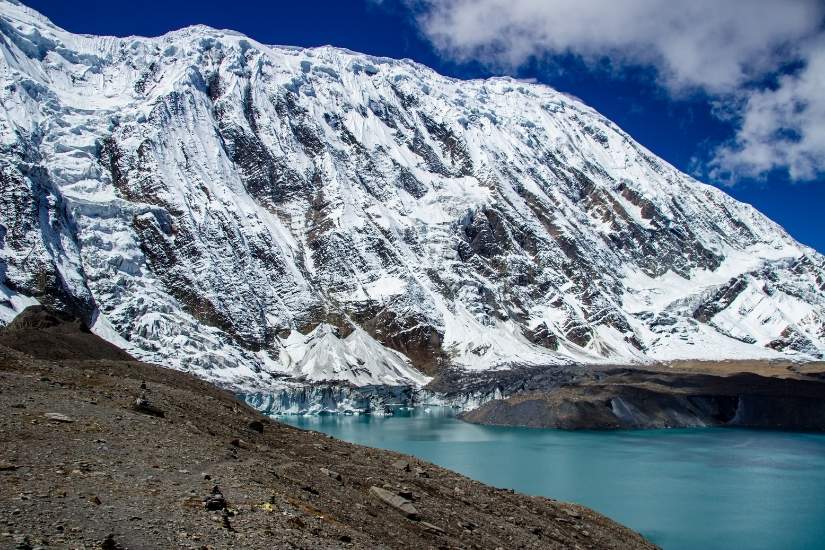
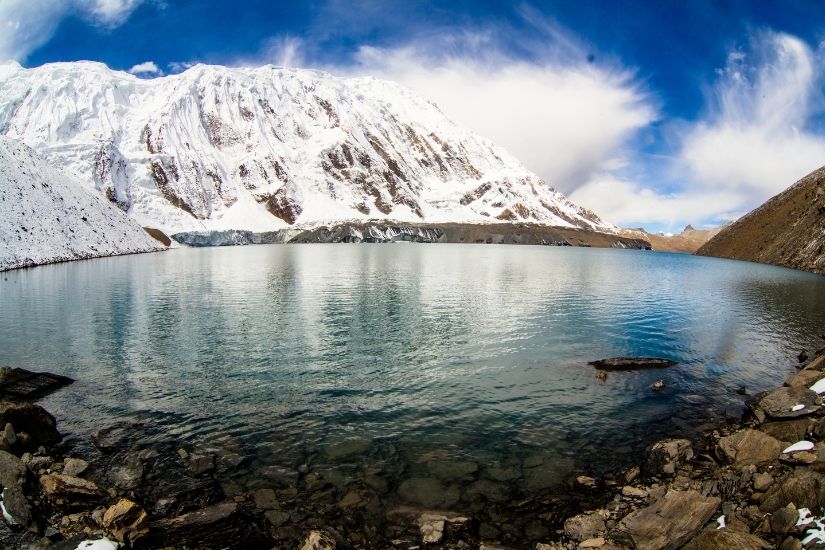
Standing at 4,919 meters above sea level, Tilicho Lake isn’t just another mountain destination. It’s the world’s highest altitude lake trek that challenges even seasoned adventurers with its raw beauty and elevation. If you’re researching Tilicho Lake Trek Package 2026 options, you’re looking at one of the Himalayas’ most rewarding journeys.

Nestled in Nepal’s legendary Annapurna region, this turquoise jewel draws trekkers who crave more than typical mountain trails. The trek combines the classic Annapurna Circuit with a high-altitude detour that tests your limits while rewarding you with panoramas most people only see in photographs.

Planning this adventure requires more than enthusiasm. You need a comprehensive guided trek package Nepal operators design specifically for safety and acclimatization. This guide covers everything from the detailed 20-day itinerary and cost breakdown to permits, route maps, and expert tips that’ll prepare you for your 2026 adventure.

Let’s break down what makes this trek extraordinary and how you can prepare for the experience of a lifetime.

Overview of Tilicho Lake Trek Package 2026

What Is the Tilicho Lake Trek?

The Tilicho Lake Trek is an extended variation of the famous Annapurna Circuit Tilicho Lake route that adds a challenging high-altitude detour to one of Earth’s most stunning alpine lakes. Instead of following the standard circuit, you’ll branch off at Manang and climb to the highest altitude lake trek destination before rejoining the main trail.

This isn’t a casual mountain walk. The trek demands physical fitness and proper acclimatization as you navigate glacial moraines, exposed trails, and elevations that exceed 4,900 meters. According to the Nepal Tourism Board, Annapurna is Nepal’s most trekked region, attracting over 150,000 trekkers annually who seek diverse landscapes and cultural richness.

Why Choose a Guided Trek Package Nepal Operator?

Booking a Tilicho Lake Trek Package 2026 through registered operators like Corsa Adventure Nepal makes the difference between a safe adventure and a risky gamble. Professional packages include experienced English-speaking guides who know the terrain, weather patterns, and altitude sickness symptoms better than any guidebook.

You’ll also get porters who carry your heavy gear, allowing you to trek with just a daypack. This energy conservation becomes crucial at higher elevations where every kilogram feels like five. Most guided trek package Nepal services maintain a 1:8 guide-to-trekker ratio and 1:4 porter ratio for optimal support.

The teahouse accommodation system along this route provides basic but comfortable lodges with meals included. Your package handles all bookings in advance, eliminating the stress of finding beds during peak season. Guides also navigate permit checkpoints, language barriers in remote villages, and route changes due to weather conditions.

Insurance requirements, emergency evacuation protocols, and oxygen supplies come standard with reputable operators. These aren’t luxuries—they’re necessities at altitudes where help can be hours or days away. Solo trekking above 4,000 meters is now restricted by 2026 regulations, making guided trek package Nepal services mandatory for legal compliance.

Tilicho Lake Trek Package 2026

What’s Included in the Tilicho Lake Trek Package 2026

Most Tilicho Lake Trek Package 2026 offerings include everything you need for a safe, comfortable journey. Here’s what reputable operators typically cover:

  • Licensed English-speaking guide and porter (1:8 and 1:4 ratios for personalized support)
  • 18 nights teahouse accommodation with shared rooms and basic amenities
  • All meals during the trek (breakfast, lunch, and dinner with tea/coffee)
  • Ground transportation from Kathmandu to Besisahar and Jomsom to Pokhara, including airport transfers
  • ACAP permit TIMS card processing and all required trekking permits
  • Duffel bag, sleeping bag rental, and water purification tablets
  • Emergency oxygen supply and first-aid kit for high-altitude safety

Package costs range from USD 1,200-1,600 per person depending on group size. Solo trekkers pay premium rates around USD 1,600, while groups of six or more enjoy discounted pricing near USD 1,200 per person.

Who Should Choose This Trek Package

The Tilicho Lake difficulty level sits between moderate to strenuous, requiring both physical stamina and mental determination. This isn’t a beginner-friendly trek—you’ll tackle 5-9 hours of daily hiking with a loaded pack at elevations that challenge even experienced trekkers.

Ideal candidates have completed multi-day hikes before, preferably at altitudes above 3,000 meters. You should comfortably handle steep ascents, exposed trails with loose scree, and unpredictable weather conditions. A baseline fitness level that includes regular cardio and strength training makes the journey safer and more enjoyable. Experienced trekkers will find the Mardi Himal Trek a fantastic choice.

Who shouldn’t attempt this trek? Anyone with severe heart conditions, respiratory issues, or recent surgeries should skip it. Pregnant women, children under 12, and those with previous severe altitude sickness episodes face serious risks. If you can’t commit to 4-6 weeks of pre-trek training, reconsider your timeline.

20 Days Tilicho Lake Trek Detailed Itinerary

The 20 days itinerary map follows a carefully paced route designed for optimal acclimatization and safety. You’ll gradually ascend through diverse climate zones, take strategic rest days, and tackle the trek’s most challenging sections when your body is best prepared.

Kathmandu to Manang (Days 1–7)

Your journey starts with a 7-8 hour scenic drive from Kathmandu to Besisahar (760m), leaving behind city chaos for Himalayan foothills. Day two begins the actual trek through Gurung villages, suspension bridges, and rhododendron forests as you gradually climb toward Chame (2,670m).

By day five, the landscape shifts from subtropical to alpine. The trail passes apple orchards and natural hot springs before reaching Upper Pisang (3,210m), where dramatic canyon views signal your entrance into Tibetan cultural zones.

Day seven brings you to Manang (3,540m), the trek’s cultural hub. The Manang acclimatization day on day eight isn’t optional—it’s essential for preparing your body for the challenging Yak Kharka route and higher elevations ahead.

Tilicho Base Camp & Lake Crossing (Days 8–14)

After acclimatizing in Manang, you’ll diverge from the main circuit on day nine. The Khangsar village trail takes you through arid valleys with yak herds as you climb to Shree Kharka (4,000m).

Day ten delivers the trek’s toughest challenge—the steep, exposed climb to Tilicho Base Camp (4,140m). This section crosses landslide zones with loose rocks, demanding careful footing. The basic lodges offer minimal comfort but stunning Tilicho Peak panoramas.

Day eleven is your reward day. You’ll start before dawn for the 3-4 hour scramble to Tilicho Lake (4,919m). The turquoise waters surrounded by snow-capped peaks create a surreal landscape. Days twelve through fourteen reconnect you with the main circuit via the Yak Kharka route (4,110m).

Descent via Mustang to Pokhara (Days 15–20)

Day fourteen brings the Thorong La Pass trek crossing at 5,416 meters—the journey’s highest point. The pre-dawn ascent rewards you with 360-degree views of Annapurna and Dhaulagiri ranges.

The descent into Mustang’s desert feels like entering another country. You’ll visit sacred Muktinath temple, then continue through stone villages like Marpha and Jomsom. Days seventeen through nineteen add the optional Poon Hill sunrise detour, offering one last spectacular panorama before reaching Pokhara’s lakeside relaxation.

Tilicho Lake Trek Package 2026

Tilicho Lake Trek Route Map and Elevation Profile

Understanding the 20 days itinerary map and elevation profile helps you prepare for what’s ahead. The route follows a linear pattern with a loop, starting at Besisahar (760m) and peaking at Thorong La Pass (5,416m).

Tilicho Lake Trek Route Overview

The trek begins with a gradual ascent through the Marsyangdi Valley, gaining approximately 2,780 meters over five days to reach Manang (3,540m). From there, you’ll branch off toward the Yak Kharka route, adding the Tilicho detour that spikes upward by 1,379 meters.

The highest point comes at Thorong La Pass (5,416m), followed by a rapid descent through the Kali Gandaki Valley. According to the Annapurna Conservation Area Project, this route traverses Nepal’s largest conservation area spanning over 7,600 square kilometers. You’ll cover approximately 220-250 kilometers with over 12,000 meters of cumulative elevation gain.

Altitude Gain and Acclimatization Points

Three strategic rest days are built into the itinerary at crucial elevation thresholds. The Manang acclimatization day at 3,540 meters is your first major pause, allowing red blood cell production to catch up.

Your body needs 24-48 hours to adjust at each 1,000-meter gain above 3,000 meters. These rest days aren’t lazy—you’ll take short hikes to higher elevations before returning to sleep lower, following the essential “climb high, sleep low” principle.

Side Trails and Scenic Detours

The Khangsar village trail offers a cultural detour before Tilicho Base Camp. This ancient Tibetan settlement sits at 3,930 meters with stone houses and prayer flags against stark mountain backdrops.

Other worthwhile side trips include the Ice Lake hike from Manang (4,600m), Gangapurna Glacier exploration, and the optional Poon Hill sunrise trek (3,210m). These add 2-4 hours but reward you with perspectives most trekkers miss.

Cost of Tilicho Lake Trek Package 2026

Understanding the trek cost breakdown 2026 helps you budget accurately and avoid surprise expenses. Package prices have remained relatively stable from 2025, with only minor 5% inflation adjustments affecting overall costs.

What Determines the Trek Cost

Several factors influence your final Tilicho Lake Trek Package 2026 price. Season plays a major role—peak autumn (October-November) and spring (March-April) command premium rates due to high demand and guaranteed departures.

Group size dramatically affects per-person costs. Solo trekkers pay around USD 1,600, while groups of six or more enjoy discounted rates near USD 1,200 per person. The guide-to-trekker ratio also matters—premium packages offering 1:4 ratios cost more than standard 1:8 services.

Luxury upgrades like private jeep transport instead of shared buses, or camping instead of teahouses, can add USD 200-800 to base prices. Most trekkers find the standard teahouse package offers the best value-to-experience ratio.

Trek Cost Breakdown 2026 (Included vs Excluded)

Included in Package (USD 1,200-1,600)Excluded/Additional Costs (USD 600-1,200)
Licensed guide & porter servicesTravel insurance (USD 100-200)
ACAP permit TIMS card feesKathmandu/Pokhara hotel nights (USD 40-60/night)
18 nights teahouse accommodationPersonal trekking gear (USD 300+)
All trek meals (breakfast/lunch/dinner)Beverages, snacks, alcohol (USD 100-150)
Kathmandu-Besisahar transportGuide/porter tips (USD 25-30/day total)
Jomsom-Pokhara flightNepal visa fees (USD 50-125)
Emergency oxygen & first-aid kitEmergency helicopter evacuation (USD 500+)

Is This Trek Worth the Cost?

Compared to the standard Annapurna Circuit (USD 800-1,100), the Tilicho extension adds USD 300-500 but delivers significantly more diversity. You’re essentially getting two iconic treks in one journey.

The Thorong La Pass trek component alone justifies much of the cost—it’s one of the world’s highest trekking passes with unmatched panoramas. When you factor in the world’s highest lake, three climate zones, and Tibetan culture, the value becomes clear.

Budget travelers spending USD 1,200 in a group get exceptional value compared to shorter Himalayan treks charging similar rates.

Best Season for Tilicho Lake Trek in 2026

Choosing the best season Tilicho trek timing can make the difference between an unforgettable adventure and a miserable ordeal. Weather patterns at high altitude are unforgiving, and certain months present dangerous conditions.

Spring vs Autumn Trekking Conditions

Autumn (mid-September to mid-November) claims the title as the best season Tilicho trek period. You’ll enjoy crystal-clear skies, stable weather, and daytime temperatures ranging from 10-20°C at lower elevations. Nights drop to -5°C at higher camps. For passionate trekkers, Ghandruk Village Trek is ideal during this season..

Spring (mid-March to mid-May) runs a close second with blooming rhododendrons painting the trails. Temperatures stay similar to autumn at 5-15°C, though afternoon clouds sometimes obscure views. According to the World Meteorological Organization, the Himalayan region experiences more stable high-pressure systems during these shoulder seasons, reducing precipitation risks.

October stands out as the peak month—clear visibility, comfortable temperatures, and festivals like Dashain add cultural richness.

Winter and Monsoon Challenges

Winter (December-February) closes Thorong La Pass due to heavy snowfall and avalanche risks. Temperatures plummet to -20°C, and most teahouses shut down completely.

Monsoon season (June-August) brings relentless rain, cloud cover blocking all views, and dangerous landslides. Leeches infest lower forests, making the experience thoroughly unpleasant. Trail erosion increases rockfall risks near Tilicho Base Camp.

Month-by-Month Recommendation

Best: October, April (perfect conditions, clear skies, moderate temperatures)

Good: September, November, March, May (acceptable weather with minor compromises)

Avoid: December-February (snow closures), June-August (monsoon dangers)

Plan your 2026 trek for late September through early November for optimal conditions. Book 4-6 months ahead, as premium operators fill quickly during autumn.

Tilicho Lake Trek Package 2026

Permits, Difficulty, and Trek Preparation

Understanding permit requirements, the Tilicho Lake difficulty level, and essential gear ensures you’re legally compliant and physically ready for high-altitude challenges.

Required Permits for Tilicho Lake Trek

You’ll need two mandatory permits before starting:

  • ACAP permit (Annapurna Conservation Area Permit): USD 30 for 1-month validity, available at Nepal Tourism Board offices in Kathmandu or Besisahar
  • TIMS card (Trekkers’ Information Management System): USD 20 for group trekkers, requires passport copies and two photos

A local Manang permit (USD 5) gets processed at village checkpoints. Most Tilicho Lake Trek Package 2026 operators include all permits in their base price. 2026 regulations mandate licensed guides above 4,000 meters. Check the Nepal Tourism Board for detailed permit procedures.

Tilicho Lake Difficulty Level and Fitness Requirements

The Tilicho Lake difficulty level ranks as moderate to strenuous, demanding 5-9 hours of daily walking with elevation gains up to 1,000 meters. You’ll navigate loose scree, exposed ridges, and challenging terrain.

Altitude stress becomes the primary challenge above 4,000 meters. Even fit athletes struggle when oxygen levels drop to 60% of sea-level availability. Your cardiovascular system works overtime.

Prepare with 4-6 weeks of training including uphill hikes with a 10kg pack, stair climbing, and cardio sessions. Prior experience at 3,000+ meters helps tremendously, though first-timers with excellent fitness succeed regularly.

Essential Packing Checklist

Clothing:

  • Down jacket rated to -20°C and 4-season sleeping bag
  • Moisture-wicking base layers and waterproof shell

Footwear:

  • Broken-in trekking boots with ankle support
  • Gaiters for scree protection

Safety Gear:

  • Trekking poles and UV-protection sunglasses
  • Water purification tablets
  • Diamox (125mg) for altitude sickness prevention
  • First-aid kit with blister treatment

Rent heavy items in Kathmandu’s Thamel for USD 50/week, saving luggage space.

Safety Tips and Expert Trekking Advice

High-altitude trekking demands respect and preparation. Following proven expert trekking tips dramatically reduces your risk of serious complications.

Altitude Sickness Prevention Tips

Altitude sickness prevention starts with proper acclimatization—never rush the ascent schedule. Your body needs time to adjust to reduced oxygen levels at elevation.

Follow the “climb high, sleep low” principle during rest days. Take short hikes 300-500 meters above your sleeping altitude, then descend for the night.

Hydration is non-negotiable. Drink 4-5 liters of water daily, even when you don’t feel thirsty. According to the CDC, gradual ascent with rest days reduces acute mountain sickness (AMS) risk by over 50% compared to rapid climbs.

Watch for warning signs: persistent headache, nausea, dizziness, or loss of appetite. If symptoms worsen despite rest, descend immediately—don’t wait. Diamox (125mg twice daily) helps, but consult your doctor beforehand.

Why a Guided Trek Package Nepal Matters

Professional guided trek package Nepal services provide expertise that guidebooks can’t match. Experienced guides recognize subtle altitude sickness symptoms before they become emergencies.

They know alternative routes when weather closes main trails, understand local lodge availability, and communicate with teahouse owners in Nepali. This local knowledge eliminates daily navigation stress.

Guides carry emergency oxygen, satellite phones for evacuation coordination, and high-altitude first-aid training. Solo trekkers face significantly higher risks, especially on exposed sections near Tilicho Base Camp.

Common Mistakes to Avoid

Don’t skip acclimatization days to “save time”—this often results in expensive helicopter evacuations. Avoid alcohol above 3,000 meters as it dehydrates you and worsens altitude effects.

Never trek alone on the Khangsar village trail to Tilicho where injuries leave you hours from help. Pack your own snacks as teahouse options become limited at higher elevations.

Tilicho Lake Trek Package 2026

Your Tilicho Lake Trek Package 2026 Adventure Awaits

The Tilicho Lake Trek Package 2026 offers more than just stunning Himalayan views—it’s a transformative journey that challenges your limits while immersing you in one of the world’s most spectacular mountain landscapes. From the turquoise waters of the highest altitude lake trek to the prayer flags fluttering atop Thorong La Pass, every step reveals why trekkers return to Nepal year after year.

Choosing a reputable guided trek package Nepal operator isn’t about convenience—it’s about safety, cultural authenticity, and maximizing your chances of summit success. Professional guides, proper acclimatization schedules, and comprehensive support systems turn what could be a dangerous gamble into a calculated adventure with memories that last a lifetime.

The 20 day itinerary might seem long, but each rest day and gradual ascent protects your health while deepening your connection to the mountains and their people. You’ll return home not just with photos, but with stories of sunrise over 8,000-meter peaks, cups of chai shared with Sherpa families, and the quiet satisfaction of achieving something extraordinary.

Start planning your 2026 adventure now. The Himalayas are calling—will you answer?

Book Your Tilicho Lake Trek Package 2026 Today

The best season Tilicho trek windows fill quickly—autumn 2026 departures are already booking up with premium operators such as Corsa Nepal. Don’t wait until it’s too late to secure your spot during optimal weather conditions.

Contact registered guided trek package on +977 9851 021 716 today for customized itineraries, group discounts, and detailed cost breakdowns. Your Tilicho Lake Trek Package 2026 adventure starts with a single inquiry. Begin planning now and join the ranks of trekkers who’ve conquered one of the Himalayas’ most rewarding journeys.

Ghandruk Village Trek Itinerary 2026

Ghandruk Village Trek Itinerary 2026 — Culture, Views & Easy Himalayan Adventure

Nestled in the Annapurna region, the Ghandruk Village Trek Itinerary 2026 is a perfect introduction for beginners. This beginner Annapurna trek guide covers a 4-day trek to Ghandruk village at 1,940 meters, offering Himalayan views, terraced fields, and Gurung culture.

Ideal for families, first-time trekkers, or travelers short on time, this Annapurna short trek itinerary features moderate distances and easy trails. Highlights include panoramic mountain vistas, village life, and cultural immersion. Each day involves 4–6 hours of trekking, making it manageable yet rewarding.

For those seeking a quick Himalayan adventure without sacrificing scenery or culture, Ghandruk is a standout choice. Discover more through our full Annapurna village trek package 2026 for a complete itinerary.

Why Choose the Ghandruk Village Trek in 2026?

The Ghandruk Gurung village tour offers a rare chance to step into authentic Himalayan culture. Nestled at 1,940 meters, Ghandruk is a living museum of Gurung traditions. Walking through stone-paved lanes, visitors can interact with locals, observe traditional houses, and even join in cultural rituals—a unique experience not found on larger, crowded treks.

For scenery lovers, the Machhapuchhre viewpoint trek delivers jaw-dropping panoramas of Annapurna South and the iconic Machhapuchhre (Fishtail) peak. Sunrise and sunset here are unforgettable, providing perfect photo opportunities for beginners and seasoned trekkers alike.

This trek is perfect for first-time hikers and families. Its short duration—just four days—means you don’t need weeks to experience Nepal’s magic. Trails are moderate, well-marked, and safe, making it ideal for those following a beginner Annapurna trek guide.

For 2026, trail improvements and updated teahouse facilities enhance comfort and accessibility without compromising the charm. From cultural immersion to Himalayan vistas, Ghandruk combines depth and convenience in a way few short treks can. It’s an adventure that’s manageable, memorable, and completely beginner-friendly.

Ghandruk-Village-Trek-Itinerary-2026

Best Time to Do the Ghandruk Village Trek 2026

Planning your trek around the right season makes all the difference. According to Nepal Tourism Board, the best time Ghandruk trek 2026 is generally spring and autumn, when skies are clear and trails are at their most inviting. The Machhapuchhre viewpoint trek shines during these months, offering unobstructed views of Annapurna South and Fishtail Peak.

Spring Season (March–May)

Spring brings blooming rhododendrons, lush greenery, and mild temperatures. Trails are comfortable, villages vibrant, and the skies are usually clear, making photography and sightseeing ideal. It’s a favorite for travelers seeking color and culture combined.

Autumn Season (September–November)

Autumn offers stable weather and crisp mountain views. This is considered peak trekking season. Trails are dry, visibility is excellent, and the moderate climate makes the trek enjoyable for beginners and families alike.

Monsoon & Winter

Monsoon (June–August) brings slippery trails, leeches, and rain-heavy days—best avoided by novice trekkers. Winter (December–February) has cold nights and occasional snow, which can limit access to certain paths. Only experienced trekkers or those prepared for harsh weather should attempt the trek during these months.

Quick Comparison Table:

SeasonWeatherTrail ConditionCrowd Level
SpringMild, clearGood, dryModerate
AutumnCrisp, stableExcellentHigh
MonsoonRainy, humidSlippery, muddyLow
WinterCold, snowyIcy/slipperyLow

Choosing the right season ensures a safe, scenic, and unforgettable experience on the Ghandruk Village Trek 2026.

Ghandruk Village Trek Route Overview & Map

The Pokhara to Ghandruk trek map guides trekkers through a scenic short loop in the Annapurna region. Starting at Nayapul, the trail climbs to Ghandruk, passes Landruk, and ends at Tolka, blending culture, Himalayan vistas, and moderate trekking distances.

Key highlights of the route include:

  • Nayapul (1,070m): Trek starting point, 1–2 hrs drive from Pokhara
  • Birethanti: Riverside tea stalls, perfect first rest stop
  • Kimche: Mid-point village with terraced fields and mountain views
  • Ghandruk (1,940m): Main destination, authentic Gurung village overnight stay
  • Landruk (1,545m): Day 3 descent village with scenic trails
  • Tolka (1,700m): Final overnight before returning

Daily trekking covers 14–20 km per day with manageable elevation gains. For extended adventure, the Ghorepani Ghandruk trek route can be added, including a visit to Poon Hill for sunrise over the Himalayas.

This Landruk loop trekking Nepal route is perfect for beginners, families, and time-limited travelers, offering rich culture and panoramic mountain views. A visual Pokhara to Ghandruk trek map with trail distances 2026 helps plan each day and key stop efficiently.

4-Day Ghandruk Village Trek Itinerary 2026 (Day-by-Day)

Day 1 — Pokhara to Nayapul to Ghandruk (5–6 Hours)

Kick off your 4 days Nepal trekking package with a scenic drive from Pokhara to Nayapul (1,070m), about 1–2 hours. From there, the trek begins along the Nayapul Ghandruk trail distance, winding past riverside tea stalls at Birethanti and terraced fields through Kimche.

As you ascend to Ghandruk (1,940m), the first stunning views of Annapurna South and Machhapuchhre appear. This moderate trek covers roughly 14–16 km with an elevation gain of 870m. It’s beginner-friendly yet rewarding, setting the tone for your Annapurna short trek itinerary. Overnight stays are in cozy teahouse lodges, perfect for soaking in village life and Himalayan vistas.

Day 2 — Explore Ghandruk Village

Day two is all about cultural immersion and acclimatization. Explore Ghandruk Gurung traditions firsthand: visit the Gurung Museum, learn ex-Gurkha stories, and admire local handicrafts. Wander through rhododendron forests or stroll past traditional homes.

Sunrise at nearby viewpoints delivers panoramic views of the Annapurna range and Machhapuchhre. This day is perfect for photography, relaxation, and getting a feel for village life. For deeper cultural insights, check our [Gurung culture and traditions guide].

Day 3 — Ghandruk to Landruk / Tolka (5–6 Hours)

Descend toward Modi Khola river, then ascend gently through forests toward Landruk (1,545m) and Tolka (1,700m). The trail passes Gurung-Magar mixed villages and offers sweeping views of Hiunchuli Peak.

Daily trekking spans roughly 15 km with moderate difficulty, ideal for beginners and families. Overnight lodging in teahouses provides comfort amid serene Annapurna landscapes, combining culture and nature in one rewarding day.

Day 4 — Tolka/Landruk to Nayapul to Pokhara (4–5 Hours Trek + Drive)

The final day begins with a gentle descent via Kyumi toward Birethanti and Nayapul. From there, a short drive returns you to Pokhara. Along the way, reflect on the trek highlights: Himalayan peaks, Gurung village life, and terraced landscapes.

Once in Pokhara, enjoy lakeside cafes, adventure sports, or a relaxing massage. This wrap-up completes your Annapurna short trek itinerary, leaving memories of a manageable, scenic 4 days Nepal trekking package.

Ghandruk Village Trek Cost Breakdown 2026

Planning your 4 days Nepal trekking package starts with understanding the costs, which vary depending on group size, inclusion of guides or porters, and your chosen operator like Corsa Nepal. Whether you prefer traditional teahouse lodges or authentic village homestays, Ghandruk delivers options for every budget.

Here’s a breakdown of typical expenses:

ItemEstimated Cost (USD)Notes
ACAP Permit + TIMS Card$42–50Official entry fees for Annapurna Conservation Area, includes ACAP permit fees 2026
Guide Fees$150–250Recommended for safety and cultural insight
Porter Costs~$20/dayOptional, but helpful for luggage
Food & Teahouse Lodging$25–35/dayComfortable teahouse lodging Annapurna
Transport (Pokhara ↔ Nayapul)$50–100Private vehicle or shared jeep
Total$400–500 per person (group of 4+)Solo travelers may pay $600+

For budget-conscious trekkers, a Ghandruk village homestay cost can be slightly lower than teahouses, offering a more authentic experience and meals prepared by locals. To save further, consider trekking independently, traveling off-season, or booking through local operators.

Understanding these costs helps you plan efficiently and ensures your trek is both memorable and affordable. For more options, check our [Budget Nepal trekking packages 2026] for tips and cost-saving strategies without compromising the adventure.

Permits & Trekking Requirements for 2026

Before starting your trek, obtaining the right permits is essential. The ACAP permit fees 2026 allow entry into the Annapurna Conservation Area and support local conservation efforts. For first-time trekkers, this is a must-follow step.

Key permit requirements:

  • ACAP (Annapurna Conservation Area Permit): NPR 3,000 (~$25), available in Pokhara or Kathmandu (TAAN office).
  • TIMS Card (Trekking Information Management System): NPR 2,000 (~$17); solo trekkers pay full price, groups of 2+ receive discounted rates.
  • Documents needed: Passport copies, passport-sized photos, and completed application forms.
  • Where to obtain: Pokhara ACAP office or TAAN office in Kathmandu.

2026 regulation updates:

  • Some trails may now require a licensed guide for first-time trekkers or those traveling solo in certain areas.
  • Carry all permit documents during the trek for checkpoint inspections.
  • Fees are mandatory and help maintain trails, lodges, and local facilities.

Following these rules ensures a smooth, hassle-free trekking experience. Planning ahead also allows time for any new regulations or changes in fee structures for 2026.

Guide & Porter Recommendations for Ghandruk Trek

Hiring a trek guide is highly recommended for safety, navigation, and cultural insight. On a Ghandruk Gurung village tour, a local guide can share stories about Gurung traditions, point out hidden viewpoints, and ensure you stay on the correct trail, making your trek both safe and enriching.

Finding vetted guides:

  • TAAN (Trekking Agencies’ Association of Nepal) – official licensed guides
  • Corsa Nepaltrusted operators with positive reviews

Cost considerations:

  • Guide fees typically run $25/day.
  • Hiring a guide with a porter is a convenient option; porters carry 15–20 kg of luggage, following ethical trekking standards.

Porter guidelines:

  • Keep loads manageable to avoid injury.
  • Use local operators who respect fair wages and working conditions.

Solo trekking tips:

  • Experienced hikers can trek independently, but carrying a map, GPS, and permits is essential.
  • Hiring a guide is strongly recommended for first-timers or those unfamiliar with Annapurna trails.

For detailed steps, see our guide on [How to hire a trekking guide in Nepal 2026] to ensure a safe, memorable adventure.

What to Pack for the Ghandruk Village Trek

Packing smart makes your short Nepal trek comfortable and enjoyable. For the teahouse lodging Annapurna style of trekking, light luggage is ideal, as laundry is often available along the route.

Clothing

  • Layers: Base layers, fleece or down jackets, and moisture-wicking shirts for warmth.
  • Rain gear: Waterproof jacket and pants for sudden showers.
  • Footwear: Sturdy trekking boots with good grip, plus warm socks.
  • Extras: Hat, gloves, and sunglasses for sun and wind protection.

Gear Essentials

  • Trekking poles for stability on uneven trails.
  • Headlamp for early mornings or evenings.
  • Water purification tablets or filters to ensure safe drinking water.
  • Backpack: 25–35L for day essentials.

Documents

  • Permits: ACAP and TIMS cards.
  • Passport copies and ID.
  • Travel insurance information.

Health & Safety

  • Altitude awareness: Acclimatize properly to avoid sickness.
  • First aid basics: Bandages, painkillers, and personal medications.
  • Hygiene: Hand sanitizer and wet wipes.
Ghandruk-Village-Trek-Itinerary-2026

Ghandruk Village Trek Itinerary 2026 Highlights — Culture, Views & Experiences

A Ghandruk Gurung village tour is more than a trek—it’s a journey into the heart of Annapurna’s culture and scenery. The village itself is a living museum, with traditional stone-paved lanes, terraced fields, and homes built in classic Gurung architecture. Walking through Ghandruk feels like stepping back in time, where every corner tells a story.

The Gurung Museum Ghandruk visit is a must for anyone interested in local history. Here, you can learn about Gurung traditions, view artifacts, and hear tales of ex-Gurkha soldiers who served around the world. Interacting with local families adds a personal touch, giving trekkers insight into daily life in this Himalayan community.

Nature lovers will enjoy rhododendron forest trails, birdwatching opportunities, and peaceful strolls through the surrounding hills. Early risers are rewarded with sunrise views on the Machhapuchhre viewpoint trek, where the Fishtail Mountain and Annapurna South dominate the skyline—a perfect spot for photography and quiet reflection.

The village also offers small handicraft shops and local eateries. Sample traditional Nepali dishes and buy handmade souvenirs to support the community. Whether it’s culture, nature, or Himalayan vistas you seek, Ghandruk delivers a compact but unforgettable experience.

Ghandruk Village Trek Difficulty — Is It Right for You?

The Ghandruk Village Trek is considered easy to moderate, making it ideal for first-time hikers following a beginner Annapurna trek guide. The highest point, Ghandruk village at 1,940 meters, poses minimal altitude sickness risk, allowing most travelers to enjoy the trek comfortably.

Fitness requirements are modest: regular walking, light cardio, and stair climbing are usually sufficient. For best results, a few weeks of preparatory hikes or cardio training can make the journey smoother. The trek is family-friendly, suitable for kids, seniors, and anyone wanting a manageable introduction to the Himalayas.

Compared to other Annapurna short trek itineraries, such as Poon Hill or Mardi Himal, Ghandruk is shorter in duration and less steep. Daily distances range from 4–6 hours, allowing time to appreciate panoramic views and cultural stops without exhaustion.

Overall, if you’re looking for a scenic, cultural, and low-risk Himalayan trek, Ghandruk offers the perfect balance of adventure and accessibility. However, if you’re seeking a more challenging experience, the EBC trek is worth considering.

Final Thoughts on the Ghandruk Village Trek Itinerary 2026

The Ghandruk Village Trek Itinerary 2026 stands out as one of Nepal’s best Annapurna short trek itineraries, blending cultural immersion, Himalayan panoramas, and manageable trekking for beginners and families. From terraced fields to Gurung village life, every step offers a memorable experience.

With peak seasons filling quickly, planning early is essential to secure your spot and make the most of your adventure. Don’t wait Book your Ghandruk Village Trek package 2026 today and ensure a smooth, unforgettable journey.

For extra convenience, download a free trek map or contact us for a custom itinerary tailored to your schedule and preferences. Your Himalayan adventure awaits!

Which month is best for Ghandruk?

The best time to do the Ghandruk Village Trek is during spring (March–May) and autumn (September–November). Spring offers blooming rhododendrons, mild weather, and clear skies, while autumn provides stable weather, crisp mountain views, and excellent trail conditions. Monsoon (June–August) and winter (December–February) are less ideal due to rainy, slippery trails or cold, snowy conditions.

The Ghandruk Village Trek is typically a 4-day trek. It starts from Nayapul, passes through villages like Birethanti and Landruk, and ends back at Nayapul or Pokhara. Each day involves 4–6 hours of moderate trekking, making it ideal for beginners, families, and travelers with limited time.

Yes, trekking to Ghandruk requires two official permits: the ACAP (Annapurna Conservation Area Permit) and the TIMS (Trekking Information Management System) Card. The ACAP permit supports conservation in the Annapurna region, while the TIMS card tracks trekkers for safety. Both can be obtained in Pokhara or Kathmandu before starting your trek. Carrying these permits is mandatory for all trekkers.

The ACAP permit costs NPR 3,000 (~$25–30) and the TIMS card is NPR 2,000 (~$17–20). These are required for the Ghandruk Village Trek.

14 Days Everest Base Camp Trek Cost 2026 & 2027 | EBC Trek

Everest Base Camp Trek Cost 2026 & 2027 from $1,200

You’ve imagined it for years—standing beneath the Khumbu Icefall, breathing thin Himalayan air, and watching Everest glow at sunrise. Before you commit, though, you need clarity on Everest Base Camp Trek Cost 2026 & 2027—especially if you’re aiming for the lowest realistic budget.

A standard 14-day Everest Base Camp itinerary reaches 5,364 meters and can cost as low as $1,200 when you choose basic Everest trekking packages 2026, shared rooms, and local guides. Budget plans usually include permits, domestic flights to Lukla, simple teahouse accommodation in Everest region, and three daily meals.

If you’re planning your Everest Base Camp trek in 2027, early booking helps secure lower Lukla flight fares and avoid seasonal price spikes. Understanding Sagarmatha National Park permit fees and daily trekking expenses keeps your Everest Base Camp budget breakdown realistic.

In this guide, you’ll learn how to minimize costs without sacrificing safety. I’ll also explain why trekking during the spring and autumn trekking season in Nepal gives you better weather and stronger value for money.

Everest Base Camp Trek Cost 2026 & 2027

What’s Included in the Everest Base Camp Trek Cost?

When you review Everest Base Camp Trek Cost 2026 & 2027, the real question isn’t just price. It’s value. A standard package covers far more than many first-time trekkers expect.

Most operators structure their EBC trek itinerary 14 days around these core inclusions:

  • Guide and porter fees 2026 (licensed guide, shared porter support)
  • Round-trip Lukla Kathmandu flights price
  • Basic teahouse accommodation EBC throughout the trek
  • Three daily meals, with hearty EBC trek meals dal bhat as the staple
  • Sagarmatha National Park permits
  • Khumbu Pasang Lhamu permit

According to the Nepal Tourism Board, trekkers must obtain official national park and local municipality permits before entering the region. Always verify updated fees directly through their official platform.

Meals usually focus on dal bhat, noodles, soups, and eggs. Dal bhat remains the most filling and cost-effective option. You’ll eat it often. Most trekkers grow to love it.

Package vs. Independent Trekking

A guided package simplifies logistics and controls Khumbu Valley trekking costs. Independent trekking can lower expenses slightly, but you handle permits, flights, and route planning yourself.

Budget packages range from $900–$1,200 with shared services. Standard comfort sits around $1,200–$1,800. Luxury options exceed $3,000 and include premium lodges and helicopter upgrades.

Choose based on comfort, experience, and risk tolerance. Your safety should never be negotiable.

Everest Base Camp Budget Breakdown for 2026–2027

Let’s strip emotion out for a moment and talk numbers. If you’re planning smartly, you need a realistic view of your Everest Base Camp Trek Cost 2026 & 2027.

Here’s a practical breakdown:

CategoryEstimated Cost (USD)
Standard Package$1,200–$1,800
Kathmandu–Lukla Round Trip Flight$350–$430
Guide Fees$30–$50 per day
Porter Fees$30–$50 per day
Food (if not included)$25–$40 per day
Insurance, Visa, Extras$200–$500
Permits (Total)~$50–$60

Most trekkers choose a package because it bundles flights, permits, accommodation, and staff support. Independent trekkers can reduce base costs, but daily expenses often rise unexpectedly.

Flights to Lukla form one of the largest fixed expenses. Prices increase during peak spring and autumn seasons. Guide and porter costs vary by experience and group size.

Food prices climb as altitude increases. Transport logistics make everything more expensive above Namche Bazaar.

Travel insurance remains non-negotiable. You need high-altitude coverage up to 6,000 meters. According to the World Health Organization(WHO), altitude sickness risk increases significantly above 2,500 meters. Always review official altitude guidance before departure.

Plan conservatively. Add a buffer. The Himalayas reward preparation, not optimism.

How Permits Impact Your Everest Base Camp Trek Cost 2026 & 2027

Permits form a mandatory part of your trekking budget. You cannot legally enter the region without them.

Here’s the breakdown:

  • Sagarmatha National Park permit: $30
  • Khumbu Pasang Lhamu Rural Municipality permit: $30
  • Trek Card (TIMS equivalent): $10

The Khumbu permit increased in 2024 and remains in effect for 2026–2027. Always confirm current rates before departure.

You can purchase permits in Lukla or through registered trekking agencies in Kathmandu. Most standard packages include these fees in the total cost.

SAARC country citizens often receive discounted national park rates. Bring valid identification if you qualify.

Permits support trail maintenance, waste management, and local infrastructure. They directly benefit the region you’re trekking through.

Daily Food and Accommodation Expenses

Teahouse accommodation remains simple but functional. At lower elevations, rooms cost $5–$10 per night. Prices rise with altitude.

In Gorak Shep, expect lodging to cost $15–$25 per night due to transport challenges.

Food costs increase steadily. Dal bhat starts around $6–$8 at lower elevations and can reach $10–$12 near Base Camp. Many trekkers choose dal bhat because refills often come free.

Hot showers typically cost $5–$10. WiFi access and device charging also carry separate fees.

Budget carefully for these daily expenses if your package excludes meals. Small charges add up quickly in the Khumbu.

Complete 14-Day EBC Trek Itinerary Overview

The classic trek to Everest Base Camp spans approximately 130 km round trip. Below is a detailed day-by-day breakdown for the standard 14-day itinerary.

DayRoute & ElevationDetails
1Arrive in Kathmandu (1,400m)Airport pickup, trek briefing, permit verification, and final gear checks.
2Fly to Lukla (2,840m), trek to Phakding (2,610m)Scenic mountain flight; easy riverside walk along the Dudh Koshi.
3Phakding to Namche Bazaar (3,440m)Cross suspension bridges, enter Sagarmatha National Park, steady uphill climb.
4Namche AcclimatizationHike to Everest View Hotel for panoramic views; descend to sleep lower.
5Namche to Tengboche (3,860m)Scenic ridge walk; visit Tengboche Monastery.
6Tengboche to Dingboche (4,410m)Trek via Pangboche; landscape becomes alpine and open.
7Dingboche AcclimatizationShort ridge hike for altitude adaptation and lung expansion.
8Dingboche to Lobuche (4,910m)Gradual ascent past climbers’ memorials.
9Lobuche to Gorak Shep (5,164m), EBC (5,364m)Reach base camp; views of Khumbu Icefall.
10Kala Patthar (5,555m) sunrise, descend to PhericheEarly hike to Kala Patthar for best Everest panorama.
11Pheriche to NamcheLong but easier descent with thicker air.
12Namche to LuklaFinal trekking day celebration.
13Fly to KathmanduReturn flight; leisure evening in kathmandu.
14Departure / Buffer DayExtra day for weather delays or rest.

The itinerary is intentionally gradual, allowing proper acclimatization and significantly improving safety and summit success rates.

Accommodation Options Along the Khumbu Valley

The Everest region runs on a simple system: teahouse accommodation EBC style. Think mountain lodges, not hotels. You get a bed, a blanket, and a dining hall heated by a yak-dung stove.

At lower elevations like Lukla and Namche, rooms cost $10–$30 per night. These lodges often offer better insulation, attached bathrooms, and stronger WiFi. Comfort feels reasonable here.

As you climb higher toward Dingboche and Gorak Shep, prices shift. Basic rooms range from $3–$15 per night. However, Gorak Shep lodging costs can feel higher due to limited supply and transport challenges.

Amenities vary by altitude:

  • WiFi available, but slower higher up
  • Hot showers cost extra
  • Heated dining rooms remain standard
  • Shared bathrooms common at higher elevations

Most teahouses follow a “room-free-with-meals” policy. If you eat dinner and breakfast there, they discount or waive the room fee.

For trekkers seeking comfort, luxury lodges in Namche charge up to $200 per night. These offer private bathrooms, electric blankets, and premium service.

Choose comfort level wisely. Altitude matters more than aesthetics. . For trekkers seeking an even more challenging Himalayan experience beyond the Everest Base Camp Trek, Manaslu Circuit Trek offers an extraordinary journey through high-altitude passes.

Guide and Porter Services: Worth the Investment?

Hiring professionals transforms your trek from risky to strategic. High altitude punishes poor decisions. A trained guide monitors your pace, watches for symptoms, and adjusts the route if weather shifts.

Current guide porter fees 2026 range between $30–$50 per day per person. Guides lead, manage logistics, and handle permits. Porters carry 15–20 kilograms so you conserve energy for altitude.

Many trekkers underestimate mental fatigue. A guide removes constant decision-making. That relief matters above 4,000 meters.

Tipping remains standard practice. Most trekkers allocate 10–15% of the total service cost at the end. Split tips fairly if you trek in a group.

Solo travelers benefit most from hiring support. You gain local knowledge and emergency backup. Groups reduce costs by sharing guide expenses.

Nepal currently requires licensed guides in several trekking regions. Regulations continue evolving, so always confirm current rules before departure.

You can trek independently. But smart trekkers invest in safety.

Additional Costs to Budget For

Planning your Everest Base Camp journey goes beyond permits and accommodation. Smart trekkers account for gear, insurance, and emergency funds to avoid last-minute surprises. These extra expenses may seem minor individually, but together they can add $300–$500 to your overall budget. For travelers considering an alternative aerial experience, reviewing the Everest Helicopter Tour Cost can also help you compare trekking expenses with scenic flight options before finalizing your budget. Factoring them in early helps you prepare realistically and travel with peace of mind.

Gear and Equipment Expenses

If you don’t own trekking gear, renting in Thamel is the most budget-friendly option. EBC trek gear rental Kathmandu shops typically charge $50–$100 for a full set, including a down jacket, sleeping bag, trekking poles, and duffel bag.

Must-have items include sturdy boots, thermal layers, gloves, and UV-protection sunglasses. Nice-to-have extras include gaiters and luxury sleeping liners. Buying makes sense if you trek frequently, but renting is ideal for one-time travelers. Stick to reputable stores in Thamel for quality and fair pricing.

Travel Insurance and Emergency Funds

Travel insurance is mandatory for trekking up to 6,000m, especially for routes near Everest Base Camp. Policies typically cost $200–$300 and must cover high-altitude trekking and helicopter evacuation, which can exceed $5,000 without coverage.

You’ll also need a Nepal visa on arrival: $30 (15 days) or $50 (30 days). Always carry emergency funds for unexpected delays or weather disruptions. Before traveling, review health guidance from the Centers for Disease Control and Prevention Nepal travel page to stay informed.

Best Time to Trek and Seasonal Price Variations

The most popular time for the Everest Base Camp trek falls during the spring (March–May) and autumn (September–November) windows, often called the spring autumn trekking season 2027. Spring offers blooming rhododendrons, stable temperatures, and clearer mountain views. Autumn brings crisp air, excellent visibility, and post-monsoon freshness, making both seasons ideal for photography and summit panoramas near Everest Base Camp.

Peak seasons come with higher prices for flights, guides, and accommodation. Lukla flights may operate from Ramechhap during busy months, requiring extra travel planning. Off-season treks (winter and monsoon) offer discounted rates but less predictable weather.

Monsoon season also brings increased health risks on the trail. The CDC‘s traveler’s health recommendations for Nepal advise trekkers to be aware of waterborne illnesses and insect-borne diseases during wetter months — another strong reason why spring and autumn remain the safest and most recommended trekking windows.

For 2026 vs. 2027, only minimal price increases are expected, mainly due to inflation and permit adjustments, keeping overall costs relatively stable year to year.

Everest Base Camp Trek Cost 2026 & 2027

Smart Ways to Reduce Your Everest Base Camp Trek Cost 2026 & 2027

Trekking to Everest Base Camp doesn’t have to break your budget. One of the best ways to cut costs is by joining a group departure, allowing you to share guide and porter expenses. Many trekkers also save by booking with local agencies like Corsa in Kathmandu instead of international operators, which often charge higher margins.

Stick to dal bhat—a nutritious and refillable Nepali staple that’s more affordable than Western menu items at teahouses. Instead of buying bottled water daily, carry water purification tablets or a reusable filter bottle to reduce expenses. Renting gear in Kathmandu is also cheaper than purchasing new equipment for a single trek.

Traveling during the shoulder season (late winter or early summer) can mean better deals on flights and accommodation. If trekking in a group, share porter services to divide costs. Finally, bring enough Nepali rupees, as ATMs are limited beyond Namche Bazaar.

Planning Your 2026 or 2027 Everest Base Camp Adventure

A realistic total budget for trekking to Everest Base Camp in 2026 or 2027 ranges between $1,500–$2,200 per person, depending on season, services, and comfort level. While it’s a significant investment, the experience of standing beneath the world’s highest peak delivers unmatched personal achievement and lifelong memories.

To ensure value for money, book with reputable local agencies in Kathmandu that provide transparent pricing and proper safety standards. Physical preparation is equally important—train with cardio, strength, and endurance exercises months before departure to maximize enjoyment and reduce altitude risks.

Start planning and securing your dates 3–6 months in advance, especially for peak seasons. For the most accurate Everest Base Camp Trek Cost 2026 & 2027 updates, consult trusted trek operators directly and compare detailed package inclusions before confirming your booking.

Koshi Tappu Wildlife Reserve Tour Package – Best Safari Experience in Eastern Nepal

Discover the Koshi Tappu Wildlife Reserve Tour Package

The Koshi Tappu Wildlife Reserve Tour Package is one of the entries into one of the most beautiful natural reserves of Eastern Nepal should you be a wildlife enthusiast or a lover of nature. This wetland reserve is a part of the UNESCO-approved area, which is a home to rare wildlife such as wild water buffalo, a variety of migratory birds, and forests along the river. Bird watchers, ecotourism activists, and tourists come here in large numbers to get a wholesome experience that also incorporates adventure with awareness of conservation.

We are going to tell you all you need to know about a Koshi Tappu Wildlife Reserve Tour Package, including the ideal time to visit, safari experience, bird-watching tour, and eco-tourism programs, as well as traveling expenses and tips for having a safe and enriching experience. At the conclusion of this post, you will already have a blueprint of how to go about organizing your Koshi Tappu nature tour successfully.

Everest Helicopter Tour Cost 2026/27

Everest Helicopter Tour Cost 2026/27: A Complete Travel Price Guide One of the most coveted experiences for travelers worldwide is…